
L.A. Noire vs Judgment: Which to Play - Game Scout

L.A. Noire vs Judgment at a glance
| L.A. Noire | Judgment | |
|---|---|---|
| Released | 2011, PS4 version November 2017 | 2019, PS5 version April 2021 |
| Platforms | PS4 (plays on PS5) | PS5, PS4 original |
| Setting | 1947 Los Angeles | Modern Kamurocho, Tokyo |
| Style | Period police procedural | Action-investigation hybrid |
| Investigation | Facial-read interrogations, crime scenes | First-person clue search, tailing, disguises |
| Combat | Occasional chases and shootouts | Two-stance brawling from the Yakuza team |
| Time to beat (main) | About 15 to 20 hours | About 28 hours |
| Player rating | 4.67 / 5 (9,931) | 4.64 / 5 (13,860) |
| Metacritic | 89 (PS3 original) | 83 (PS5) |
| Player sentiment | Great | Great |
| Best for | Pure detective work | Combat plus casework |
Setting and story: 1947 Los Angeles vs modern Kamurocho
L.A. Noire puts you inside the LAPD in 1947, as war veteran Cole Phelps works his way up through the traffic, homicide, vice and arson desks one case at a time. The city is the other lead: player reviews consistently single out the historical detail of its postwar Los Angeles, and the case list reads like a season of a period crime drama, each investigation self-contained with a longer corruption arc underneath.
Judgment is the opposite corner of the genre. Takayuki Yagami is a disgraced defense attorney working as a private eye in Kamurocho, the Tokyo district the Yakuza series built, and his serial-killer case runs as one continuous story rather than a case-of-the-week structure. Reviews praise the writing and the character work as the game's spine, and the district itself is dense with things to do in a way L.A. Noire's larger but emptier map never attempts. Pick by the fantasy: a badge and a fedora in 1947, or a leather jacket and a camera in modern Tokyo.
Investigation depth: reading faces vs working leads
This is the split that should decide your pick. L.A. Noire's interrogations are still the deepest version of that mechanic anyone has shipped: the facial capture renders real actors' performances closely enough that the job is watching a suspect's face and calling truth, doubt or lie against your evidence. Nothing in Judgment, and honestly nothing since, matches it. The catch is in the reviews: the recurring complaint is that the interrogation logic can feel opaque, where the right read still triggers the wrong response, and the fixed save system makes a botched interview expensive to retry.
Judgment spreads its detective work wider and shallower. You search crime scenes in first person, tail suspects through crowds, photograph evidence with a drone and put on disguises to get into places Yagami should not be. It plays fine, but the community verdict is consistent: threads on the Judgment and L.A. Noire subreddits recommend it as the closest modern alternative while agreeing the sleuthing is lighter, and the most repeated complaint in its player reviews is that the tailing missions turn repetitive. If the investigation itself is the game you are here for, L.A. Noire wins this section outright.
Combat: the reason Judgment exists
Flip the question to combat and the verdict reverses just as cleanly. Judgment is built on the Yakuza team's brawling engine, with two switchable fighting styles, crane for crowds and tiger for single targets, and its player reviews rate the street fights and boss encounters as a genuine draw rather than filler between story beats. This is a game you can recommend on the fighting alone, with the caveat from those same reviews that a few late encounters feel unbalanced.
L.A. Noire treats action as punctuation. Chases, fistfights and shootouts show up between interviews, they work, and none of them are why anyone finishes the game. The recurring complaint in its reviews is that the moment-to-moment gameplay outside the casework is inconsistent and repetitive, which is a fair read of a game that spent its budget on faces instead of fists. If you need the downtime between cases to be fun on its own terms, Judgment is the pick and it is not close.
Side content and length: padding vs genuine extras
The length gap is real. L.A. Noire's main case list runs about 15 to 20 hours, and its side content is a checklist of street crimes, landmarks and hidden film reels: fine to sweep on the way to a crime scene, nothing special on its own. It is a game you finish for the cases, and the completion sweep is quick work by open-world standards.
Judgment's main story lands around 28 hours in our catalogue data, and the side ledger is where the Yakuza DNA shows: side cases, friend events scattered across Kamurocho and a stack of minigames, with player reviews calling the side activities genuinely addictive rather than filler. The same reviews dock it for pacing, and the tailing sections are the padding in an otherwise strong ledger. Budget roughly twice the hours for Judgment, and expect more of them to be optional content actually worth doing.
What players actually rate higher
On Game-Scout's aggregated PlayStation ratings the two are close enough to call level: L.A. Noire at 4.67 from 9,931 ratings, Judgment at 4.64 from 13,860. Both sit in the Great sentiment band. The difference is in the shape of the opinions underneath, and it tracks the designs exactly.
L.A. Noire's reviews are the more polarized set. The praise centers on the storytelling, the facial animation and the detective mechanics nothing else has copied; the complaints are technical, a 30 FPS lock, an inflexible save system and a mandatory third-party account, plus that share of players who found the interrogations frustrating rather than fascinating. Judgment's reviews are steadier: overwhelmingly positive on the story, the characters and the district, with the negatives concentrated on repetitive tailing and filler stretches in the pacing. Put simply, L.A. Noire is the higher-variance experience and Judgment the safer recommendation, and the ratings say players forgive both sets of flaws.
The verdict: which should you play first
Start with L.A. Noire if the point is detective work. Its interrogation system remains the genre's high-water mark, the case-by-case structure respects your time at 15 to 20 hours, and the PS4 version plays on PS5. Accept going in that the action between interviews is serviceable at best, because the reviews are unanimous that the cases are the game.
Start with Judgment if you want an action game that takes its investigations seriously. You get real combat depth, a district worth combing through and a longer, steadier story, at the cost of lighter sleuthing and those tailing missions. It also has the better follow-up path: Lost Judgment holds the same 4.64 rating from 9,979 players, and its reviews specifically flag the combat and the investigation gadgets as improved over the first game, so one purchase becomes a two-game arc. Whichever side you pick, both are on our best detective games list, and the ranked roster there has the next case waiting.
Featured La noire vs judgment
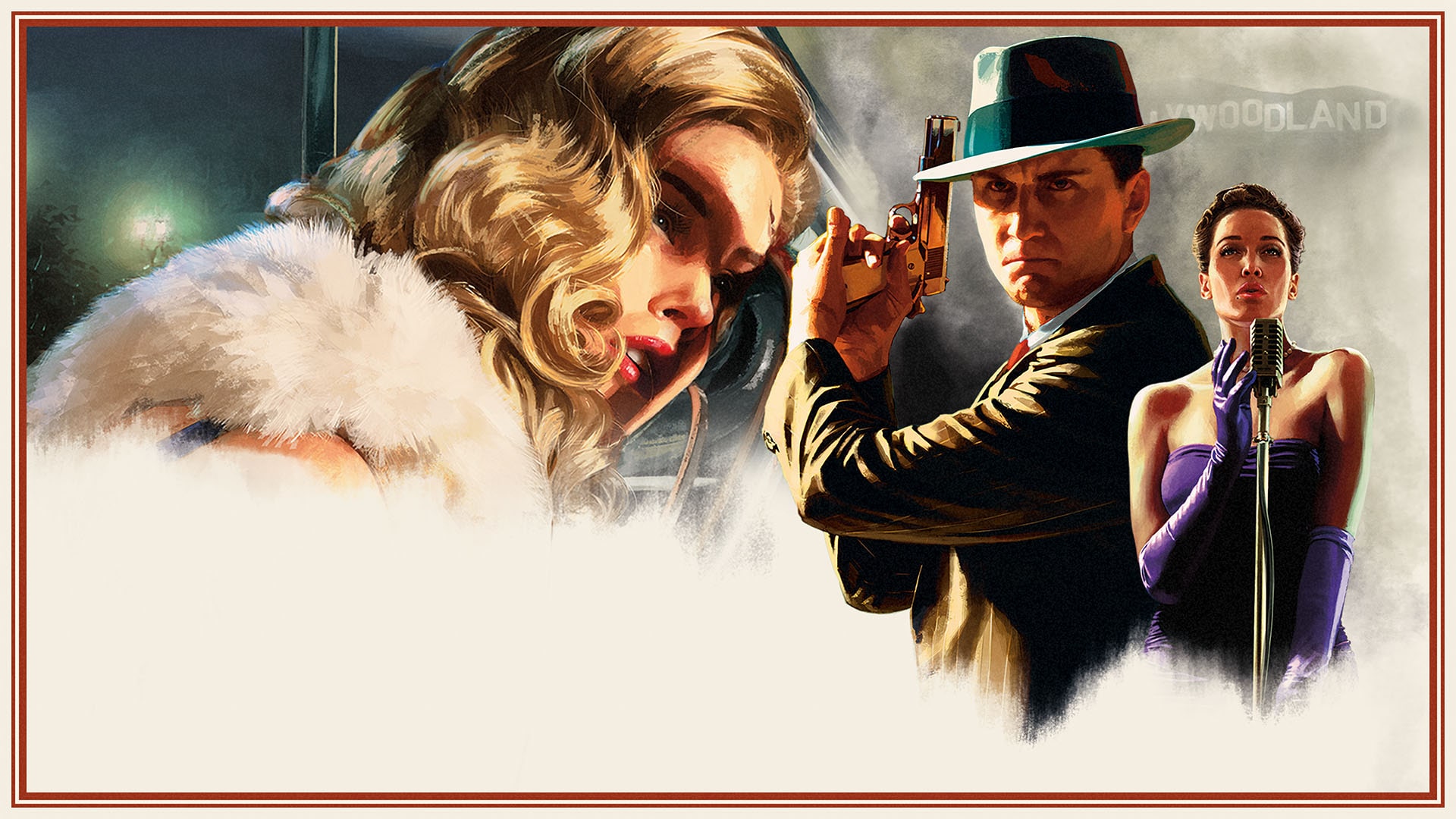
L.A. Noire
The purist's detective game. You work 1947 Los Angeles as Cole Phelps, and the signature system is the interrogation: facial capture detailed enough that calling truth, doubt or lie off a real actor's performance is the core skill. The action between interviews is deliberately thin, and the reviews' recurring complaints are technical, the 30 FPS lock, the save system and the mandatory account setup, not the casework.
Key Features
- Facial-read interrogations that remain unmatched in the genre
- Traffic, homicide, vice and arson desks with self-contained cases
- Player reviews single out the 1947 Los Angeles period detail
- Shorter main run, about 15 to 20 hours of casework
- PS4 version from 2017, playable on PS5, rated 4.67 from 9,931 players
Gameplay Video
LA Noire: Switch vs PS3/PS4/Xbox One X Graphics Comparison + Frame-Rate Test
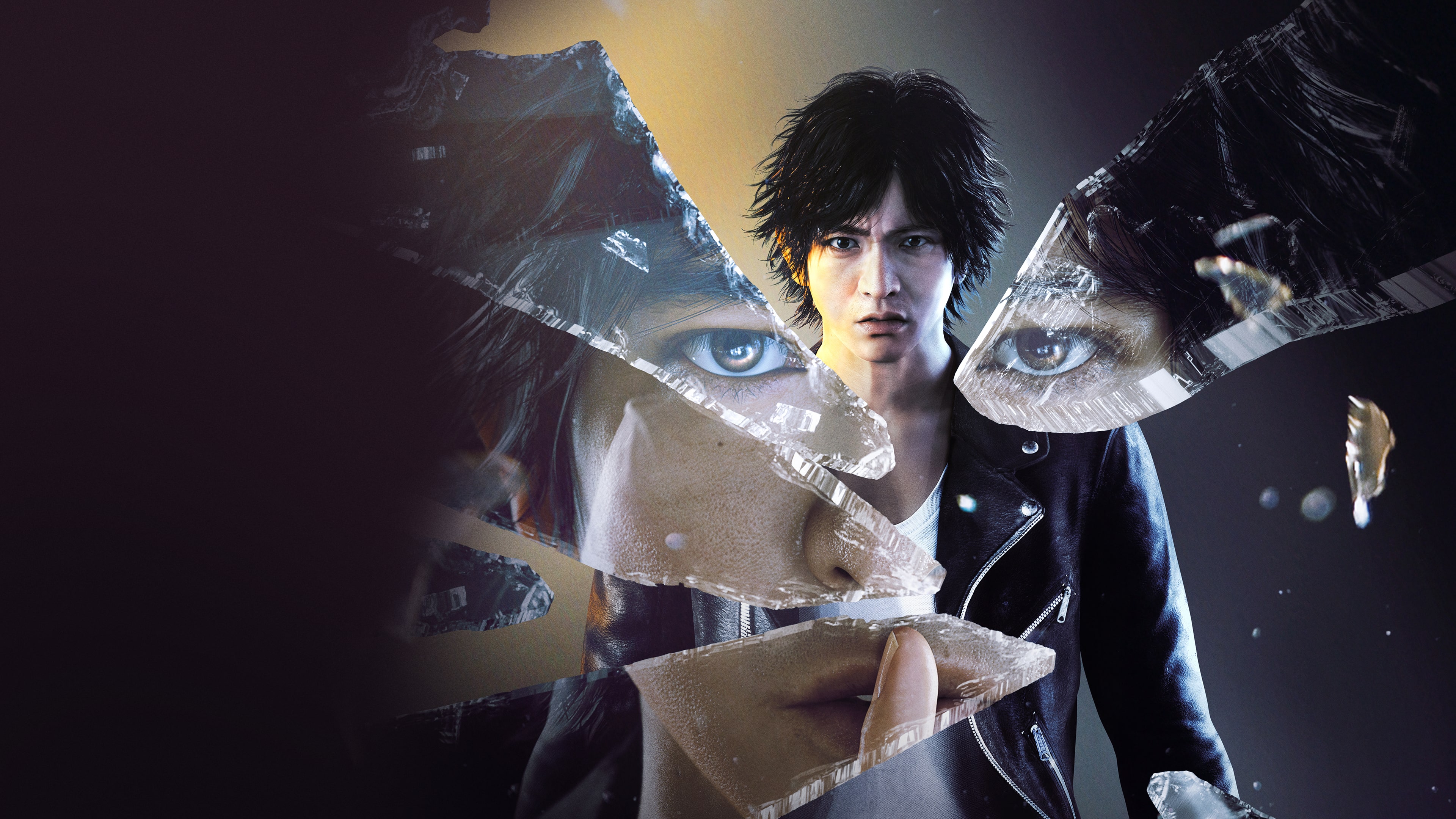
Judgment
The action half of the pair. Disgraced attorney Takayuki Yagami works Kamurocho as a private eye, and the Yakuza team wraps his serial-killer case in two-stance brawling, first-person crime scenes, tailing and disguises. Reviews rate the story and characters as the spine and the side content as genuinely worth doing, with repetitive tailing missions as the most repeated complaint.
Key Features
- Two switchable fighting styles built on the Yakuza team's brawling engine
- First-person clue search, tailing, drone photography and disguises
- One continuous serial-killer story rather than case-of-the-week structure
- About 28 hours for the main story, with side cases and minigames beyond it
- PS5 version from 2021, rated 4.64 from 13,860 players
Gameplay Video
Judgment - Before You Buy
Frequently Asked Questions
- Is Judgment like L.A. Noire?
- Partly, and the difference is the point. Both cast you as an investigator who searches crime scenes, questions people and tails suspects, and community threads on the L.A. Noire subreddit regularly recommend Judgment as the closest modern alternative. But the same threads agree the detective work in Judgment is lighter, and its depth is in the combat instead: it is built by the Yakuza studio on a full brawling engine, where L.A. Noire's depth is in the interrogations.
- Which is better, L.A. Noire or Judgment?
- Player ratings will not separate them. On Game Scout, L.A. Noire averages 4.67 from 9,931 PlayStation ratings and Judgment 4.64 from 13,860, both in the Great band. The honest answer is that they are the two halves of the detective genre: L.A. Noire is better at investigation, with the deepest interrogation system in games, and Judgment is better at everything between the investigations, with real combat and stronger side content. Pick by which half you care about.
- Does L.A. Noire have combat?
- Yes, but it is punctuation rather than the point. L.A. Noire has fistfights, chases and shootouts between interviews, and they are deliberately simple. The recurring complaint in its player reviews is that the gameplay outside the casework is inconsistent and repetitive, so treat it as a detective game with action beats, not an action game. If combat depth matters to you, Judgment is the pick of this pair.
- Is Judgment connected to the Yakuza games?
- It shares the setting and the studio, not the story. Judgment is made by Ryu Ga Gotoku Studio, takes place in Kamurocho, the same Tokyo district as the Yakuza series, and plays with the same brawling foundation. But it follows a new protagonist, private eye Takayuki Yagami, and its serial-killer story is fully standalone, so you need no Yakuza knowledge to start it.
- Which is longer, L.A. Noire or Judgment?
- Judgment, by a wide margin. Its main story runs about 28 hours in our catalogue data, before side cases, friend events and minigames, which player reviews call genuinely worth doing. L.A. Noire's main case list runs about 15 to 20 hours, and its side content is a lighter sweep of street crimes and collectibles. Budget roughly double the time for Judgment.
- Should I play Judgment before Lost Judgment?
- Yes. Lost Judgment is a direct sequel that continues Takayuki Yagami's story, and it holds the same 4.64 player rating from 9,979 ratings on Game Scout. Its reviews specifically praise the combat system and the investigation gadgets as improved over the first game, so playing Judgment first gives you the character arc in order and saves the mechanically stronger game for second.
- Can you play L.A. Noire on PS5?
- Yes, through backward compatibility. The version in the PlayStation Store is the 2017 PS4 release of the 2011 original, and it plays on PS5 like any backward-compatible PS4 game. There is no native PS5 version, which is why the technical complaints in player reviews, such as the 30 FPS lock, still apply on the newer console.