
Ghost of Tsushima vs Sekiro: Which to Play - Game Scout
Ghost of Tsushima vs Sekiro at a glance
| Ghost of Tsushima | Sekiro: Shadows Die Twice | |
|---|---|---|
| Released | July 2020 | March 2019 |
| Platforms | PS5, PS4 | PS4 (plays on PS5) |
| Structure | Open world | Linear, curated |
| Combat | Stance-based swordplay | Posture-based deflection |
| Difficulty options | Yes | None |
| Multiplayer | Online co-op (Legends) | Single-player only |
| Time to beat (main) | ~25 hours | ~30 hours |
| Player rating | 4.6 / 5 (314,294) | 4.66 / 5 (64,030) |
| Metacritic | 83 (PS4) | 90 (PS4) |
| Player sentiment | Great | Great |
| Best for | Explorers, newcomers | A pure combat test |
Setting: two takes on feudal Japan
Both games put a lone warrior and a katana in historical Japan, but they pick different eras and moods. Ghost of Tsushima stages the 1274 Mongol invasion of Tsushima island through Jin Sakai, a samurai who breaks his own honour code to fight as the Ghost. It leans grounded and cinematic, with wind-guided navigation, low sun and blown foliage doing the work markers usually do.
Sekiro: Shadows Die Twice drops into a darker, more twisted late 1500s Sengoku Japan as Wolf, a shinobi bound to protect a young lord. Where Ghost stays mostly historical, Sekiro folds in supernatural and folkloric threats, and its shinobi toolkit of grappling hook, stealth and prosthetic weapons pushes vertical, aggressive play rather than open-field roaming.
Combat: stance swordplay vs posture and deflection
This is the split that decides the choice. Ghost of Tsushima builds around stance-based swordplay: you switch between four stances to counter different enemy types, mix in parries, dodges, ranged tools and stealth, and grow stronger through gear, charms and skill trees. It is demanding in duels but readable, and progression smooths the hard edges over time.
Sekiro runs on posture instead of health. Survival means deflecting a strike at the last frame rather than rolling clear, chipping away at an enemy's guard until it breaks and opens a killing blow. There are prosthetic tools and a skill tree, but no builds, no stats to pour points into, and no summoned help. The combat is widely called FromSoftware's sharpest, and it asks you to master one system rather than assemble a loadout that plays around it.
Difficulty and accessibility
Ghost of Tsushima is the accessible one by design. It ships with selectable difficulty levels, and because power comes partly from gear and upgrades, a stuck player can grind, re-equip or drop the difficulty and keep moving. That is a large part of why it reached such a broad audience.
Sekiro offers none of that. It has no difficulty settings and no way to level past a wall, which placed it at the center of the industry's loudest accessibility argument. The steep early hours turn some players away outright; for anyone who internalizes the timing, the payoff is a sense of mastery few games match. If a hard filter sounds like the appeal, Sekiro delivers it. If it sounds like frustration, Ghost of Tsushima is the safer entry.
Structure and length: open world vs a linear path
Ghost of Tsushima is an open world of camps to clear, tales to chase and collectibles to find, closer to a familiar open-world template than its reputation admits, but trimmed and pointed toward atmosphere over completion percentages. A main run lands around 25 hours, with completionists spending far longer chasing the map.
Sekiro is largely linear and curated, a focused march through interconnected areas rather than a sprawling map, at roughly 30 hours for a main run, though the difficulty stretches that figure for many players. If freedom and a beautiful world to wander sound like the draw, Ghost fits. If a tight, deliberately paced gauntlet sounds better, Sekiro is the more focused shape.
Player and critic reception
Critics scored Sekiro higher: it holds 90 on Metacritic for PlayStation 4 and won Game of the Year at The Game Awards 2019, while Ghost of Tsushima sits at 83. Player ratings tell a closer story. On Game-Scout, Sekiro averages 4.66 out of 5 and Ghost of Tsushima 4.6, both firmly in the Great range and only a hair apart.
The volume is the telling first-party detail. Ghost of Tsushima draws 314,294 Game-Scout ratings to Sekiro's 64,030, close to five times as many, a sign of how much wider its accessible design reaches even though critics favored Sekiro's tougher, more specialized combat. Ghost's few complaints center on cutscene usability and occasional technical issues; Sekiro's center on its unyielding difficulty.
The verdict: which should you play?
There is no single winner, only a fit. Choose Ghost of Tsushima for a gorgeous open-world samurai fantasy with flexible difficulty, gear progression and optional co-op, the easier game to simply enjoy and finish. Choose Sekiro for the sharper, more punishing test, a single-player duel that rewards mastery of one deflection system and offers no shortcuts around it.
Players who want both feudal-Japan action and a FromSoftware-grade challenge often end up playing each. If you can only pick one, decide on difficulty first: Ghost of Tsushima meets you where you are, and Sekiro asks you to rise to it. For more head-to-heads, see Elden Ring vs Dark Souls 3, and browse the full best medieval fantasy games list for where each sits against the wider catalogue.
Featured Ghost of tsushima vs sekiro
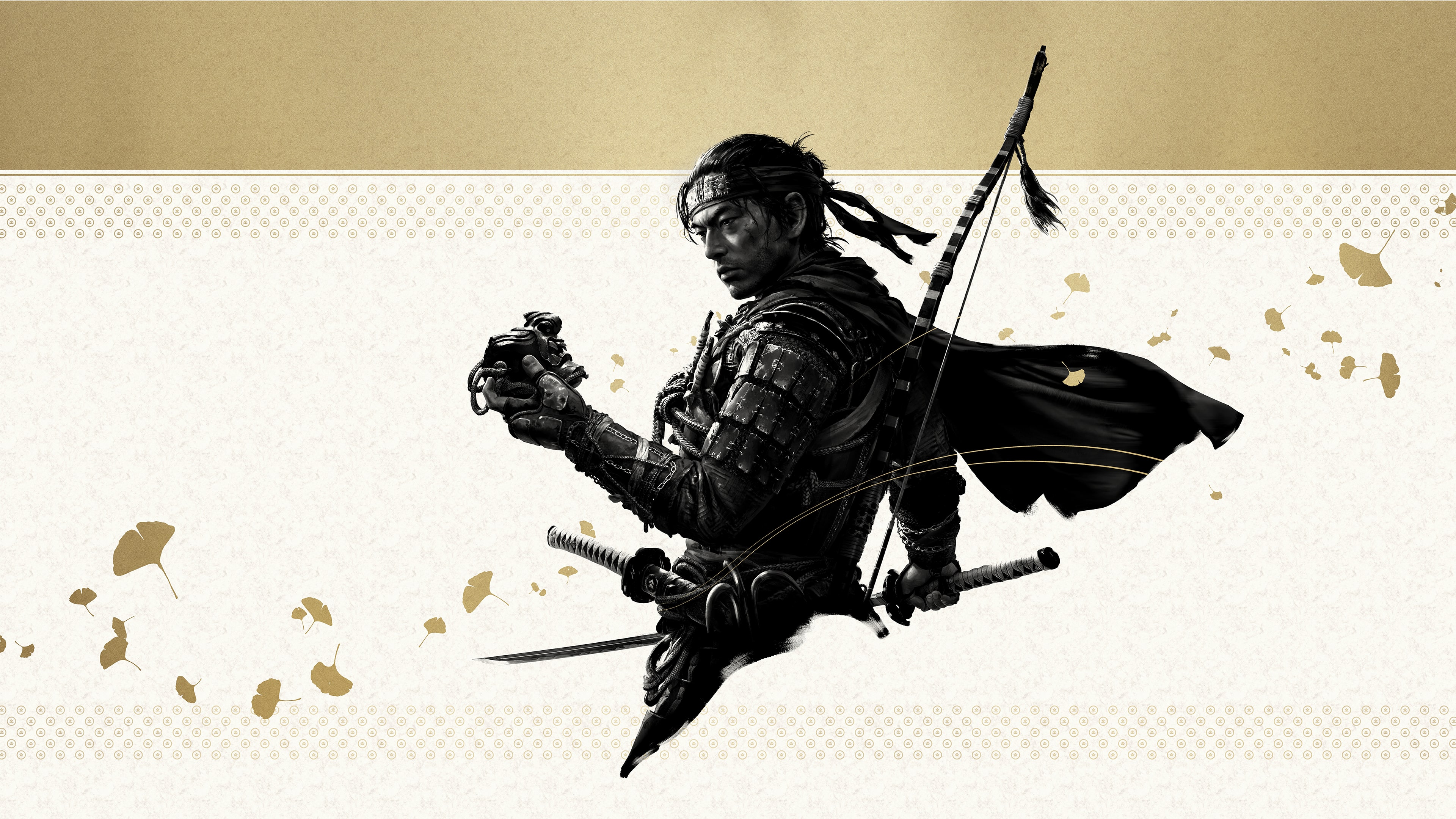
Ghost of Tsushima
Sucker Punch's open-world samurai epic follows Jin Sakai across a beautifully realized Tsushima during the 1274 Mongol invasion. On this comparison it is the accessible, broader half: stance-based swordplay, gear and skill progression, selectable difficulty and an optional online co-op mode make it the easier feudal-Japan game to pick up and finish.
Key Features
- Open-world Tsushima with wind-guided navigation and cinematic art direction
- Stance-based swordplay that shifts to counter each enemy type
- Selectable difficulty plus gear and skill progression that eases hard spots
- Legends online co-op mode for up to four players in the Director’s Cut
- On PS5 and PS4, with the highest rating volume of the two by a wide margin
Gameplay Video
Ghost of Tsushima - Aggressive Samurai Combat Gameplay - PS5
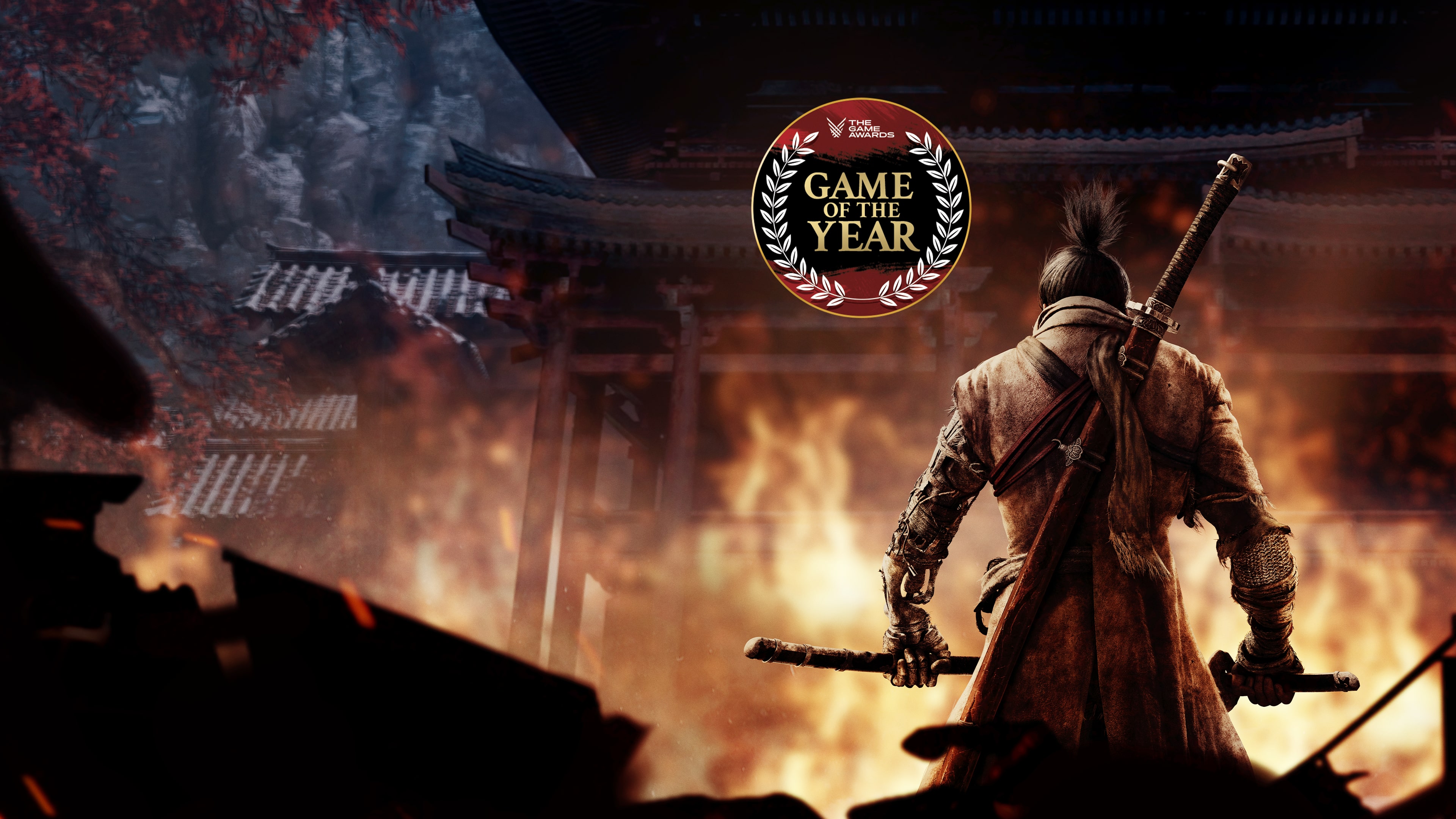
Sekiro™: Shadows Die Twice
Sekiro is FromSoftware at its most single-minded: a Sengoku-Japan action game that drops builds, stats and summonable help for one shinobi and one idea. On this comparison it is the harder, more focused half: combat runs on posture and last-frame deflection, there are no difficulty settings, and it won Game of the Year at The Game Awards 2019 on the strength of that swordplay.
Key Features
- Posture-based combat built on last-frame deflection, not health chipping
- Grappling hook, stealth and prosthetic tools for vertical, aggressive play
- No difficulty settings and no grinding past a wall, a pure skill test
- Game of the Year at The Game Awards 2019 with widely praised swordplay
- Single-player only; a PS4 game that also plays on PS5
Gameplay Video
10 Minutes Of Sekiro: Shadows Die Twice Gameplay | Gamescom 2018
Frequently Asked Questions
- Is Sekiro harder than Ghost of Tsushima?
- Yes. Sekiro is significantly harder, with no difficulty settings and no way to grind or re-gear past a wall, so every fight comes down to mastering its deflection timing. Ghost of Tsushima ships with selectable difficulty and lets gear and skill upgrades ease hard spots, which makes it the more forgiving of the two.
- Should I play Ghost of Tsushima or Sekiro first?
- Start with Ghost of Tsushima if you want an accessible, beautiful samurai game you can enjoy at your own pace. Start with Sekiro if you specifically want a demanding combat test. The two stories are unrelated, so there is no required order; the choice is really about how much difficulty you want.
- Which is better, Ghost of Tsushima or Sekiro?
- Neither wins outright. Critics score Sekiro higher, 90 to 83 on Metacritic, and it won Game of the Year 2019 for its combat. Game-Scout players rate them almost level at 4.66 and 4.6 out of 5. Sekiro is the better pure-combat game; Ghost of Tsushima is the better all-round open-world experience.
- Is Ghost of Tsushima open world and Sekiro linear?
- Yes. Ghost of Tsushima is an open world with camps, side tales and collectibles across Tsushima island. Sekiro is largely linear and curated, a focused path through interconnected areas rather than a roamable map, with verticality driven by its grappling hook instead of open exploration.
- Can you play Ghost of Tsushima and Sekiro on PS5?
- Yes to both. Ghost of Tsushima has a native PS5 version alongside PS4. Sekiro is a PS4 game that runs on PS5 through backward compatibility. Neither requires a current-gen console, but Ghost of Tsushima is the one with a dedicated PS5 release.
- Does Ghost of Tsushima or Sekiro have multiplayer?
- Only Ghost of Tsushima. Its Legends mode adds online co-op for up to four players, expanded in the Director's Cut. Sekiro is single-player only, with no co-op or competitive multiplayer of any kind.