Xbox One · PC · PlayStation 4
Overall, player feedback on Sekiro: Shadows Die Twice is overwhelmingly positive, highlighting the game as a masterclass in design and combat mechanics. Many players appreciate the challenging nature of the game while praising its immersive storytelling and impressive visuals. However, some criticisms arise concerning its difficulty and potential lack of variety in gameplay.
Sekiro is FromSoftware at its most single-minded: a Sengoku-Japan action game that discards the Souls toolkit of builds, stats, and summonable help for one shinobi named Wolf and one idea. Combat runs on posture rather than health, so survival means deflecting a strike at the last frame, not rolling clear, breaking an enemy's guard to open a killing blow. A grappling hook, stealth, and prosthetic tools widen every approach without softening the core.
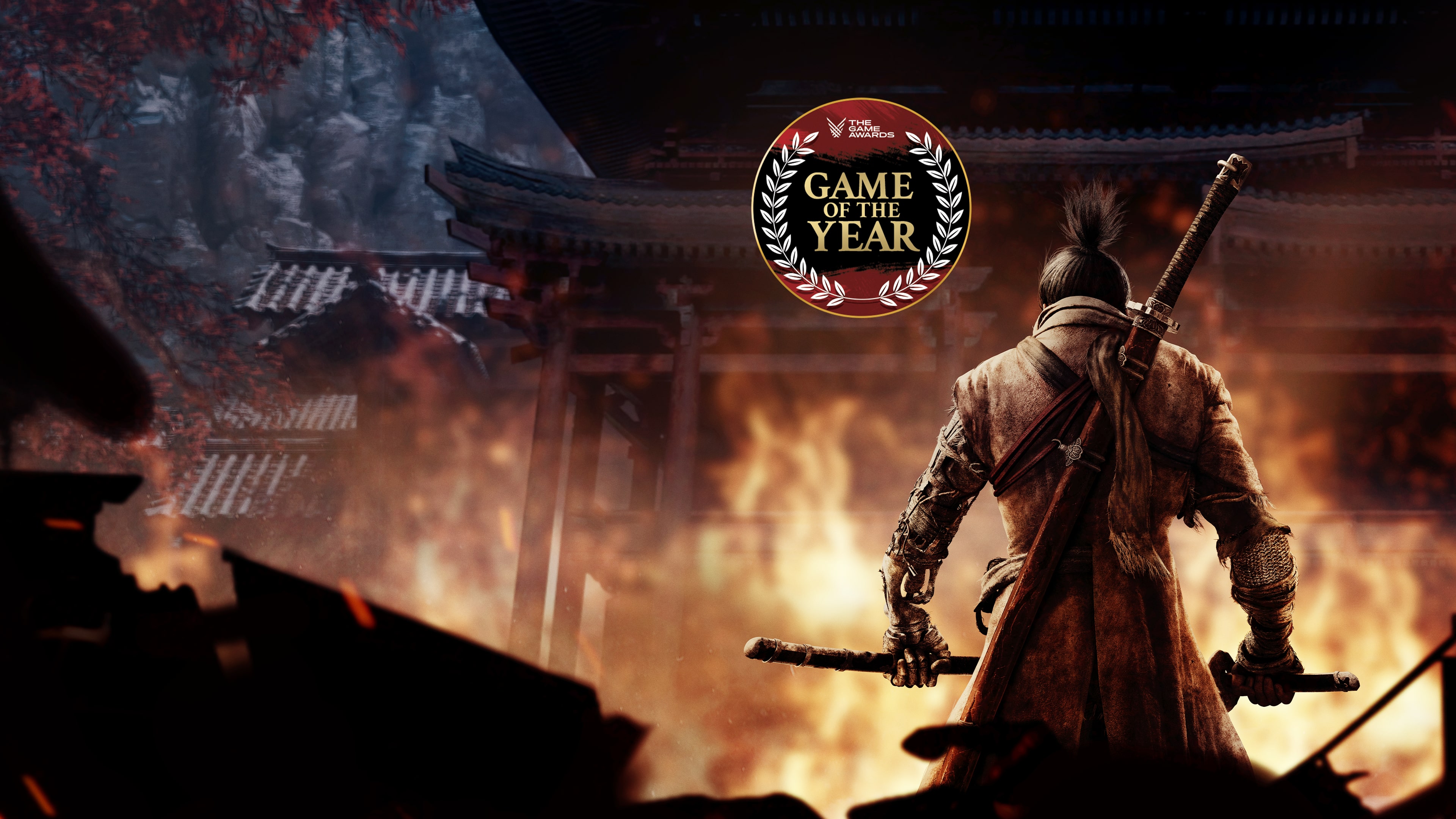
That focus earned near-universal acclaim and Game of the Year at The Game Awards 2019, with the swordplay singled out as the studio's sharpest. It also placed Sekiro at the center of the industry's loudest accessibility argument: with no difficulty settings and no way to grind past a wall, the steep early hours turn some players away. For anyone willing to internalize its timing, the payoff is a mastery few games match; for players who rely on build variety to smooth the curve, it stays a closed door.
Single Player Only
Overall, player feedback on Sekiro: Shadows Die Twice is overwhelmingly positive, highlighting the game as a masterclass in design and combat mechanics. Many players appreciate the challenging nature of the game while praising its immersive storytelling and impressive visuals. However, some criticisms arise concerning its difficulty and potential lack of variety in gameplay.
Based on 102 reviews from playstation, steam
10 Minutes Of Sekiro: Shadows Die Twice Gameplay | Gamescom 2018