
Ghost of Tsushima vs Horizon Forbidden West - Game Scout

Ghost of Tsushima vs Horizon Forbidden West at a glance
| Ghost of Tsushima | Horizon Forbidden West | |
|---|---|---|
| Released | July 2020 | February 2022 |
| Platforms | PS4, PS5 | PS4, PS5 |
| Setting | Feudal Japan, 1274 Mongol invasion | Far-future post-apocalyptic America |
| Signature loop | Stance-based swordplay and stealth | Tactical machine hunting with bows and traps |
| Story length | ~49 hours | ~43 hours |
| To fully complete | ~99 hours | ~81 hours |
| Player rating | 4.6 / 5 (314,294) | 4.63 / 5 (63,300) |
| Metacritic | 83 | 88 |
| Best for | Atmosphere and a tighter story | A bigger world and deeper systems |
Which should you play first?
Play whichever setting pulls you harder, because neither game needs the other. Ghost of Tsushima is a standalone story, and Horizon Forbidden West is a direct sequel to Horizon Zero Dawn, not to Tsushima, so the two share nothing but a publisher and a console generation. If you are undecided, I would start with Tsushima. The reviews I read describe a tighter, more atmospheric experience that asks less patience up front, and players cross-shopping the two on PlayStation forums keep recommending it first for exactly that reason.
There is one order rule that does matter, and it sits inside the Horizon series rather than between these games: play Horizon Zero Dawn before Forbidden West. Forbidden West opens straight after the first game and assumes you already know Aloy and how Zero Dawn ended. Tsushima carries no such prerequisite.
How the combat and worlds differ
Ghost of Tsushima is built around the sword. Combat is stance-based, and you switch stances to counter each enemy type, break guards, and win the standoffs that open a fight. Stealth is the other half, the Ghost half, and the world is guided by the wind instead of a cluttered map, the design choice players single out as the reason exploration feels calm rather than like a checklist. The recurring complaints in its reviews are small: occasional freezing and janky traversal in a few spots.
Horizon Forbidden West is built around the hunt. You fight robotic machines with a bow and elemental ammo, set traps, and strip components off a beast before it closes the distance, backed by new weapon types and a Valor Surge system. It is the deeper toolkit, and that depth is also its most cited friction: players describe the weapon and armor upgrade system as cumbersome, and melee as weak against the largest machines. If Tsushima is about restraint, Forbidden West is about management, more systems to learn and more menus to keep on top of.
Story, characters, and endings
This is where the two split hardest, and it is the split I weigh most. Ghost of Tsushima follows Jin Sakai as he abandons the samurai code he was raised on to fight the Mongol invasion by dishonorable means, and that single tension carries the whole campaign. Its compelling story is the pro reviewers name most often, ahead of the combat, and the game commits to it without a dozen side plots pulling the thread apart.
Horizon Forbidden West gives Aloy a bigger cast and a bigger stage, and players praise its well-developed characters. The reservation is one I take seriously: some reviewers felt the story did not land as sharply as the first game's, and the real ending is tied to the paid Burning Shores expansion rather than the base game. A campaign that saves its finale for DLC is a harder thing to recommend on the strength of its ending, and the ending is where I judge a story like this.
Length and how players rate them
The two are close on both length and reception. Ghost of Tsushima runs about 49 hours to see the story through and close to 99 hours to fully complete; Horizon Forbidden West is a little shorter at roughly 43 hours for the story and about 81 hours to complete. Neither is a small commitment.
On our data the ratings almost touch, 4.6 for Tsushima and 4.63 for Forbidden West, but the number underneath tells the more useful story: Tsushima carries 314,000 ratings to Forbidden West's 63,000. Far more of the PlayStation audience actually played and rated the samurai game, and their verdict held. The one attributed warning worth passing on comes up in community threads about Forbidden West, where players describe fatigue setting in around the 30-hour mark as the quests and systems pile up. Tsushima's reviews carry less of that.
Featured Ghost of tsushima vs horizon forbidden west
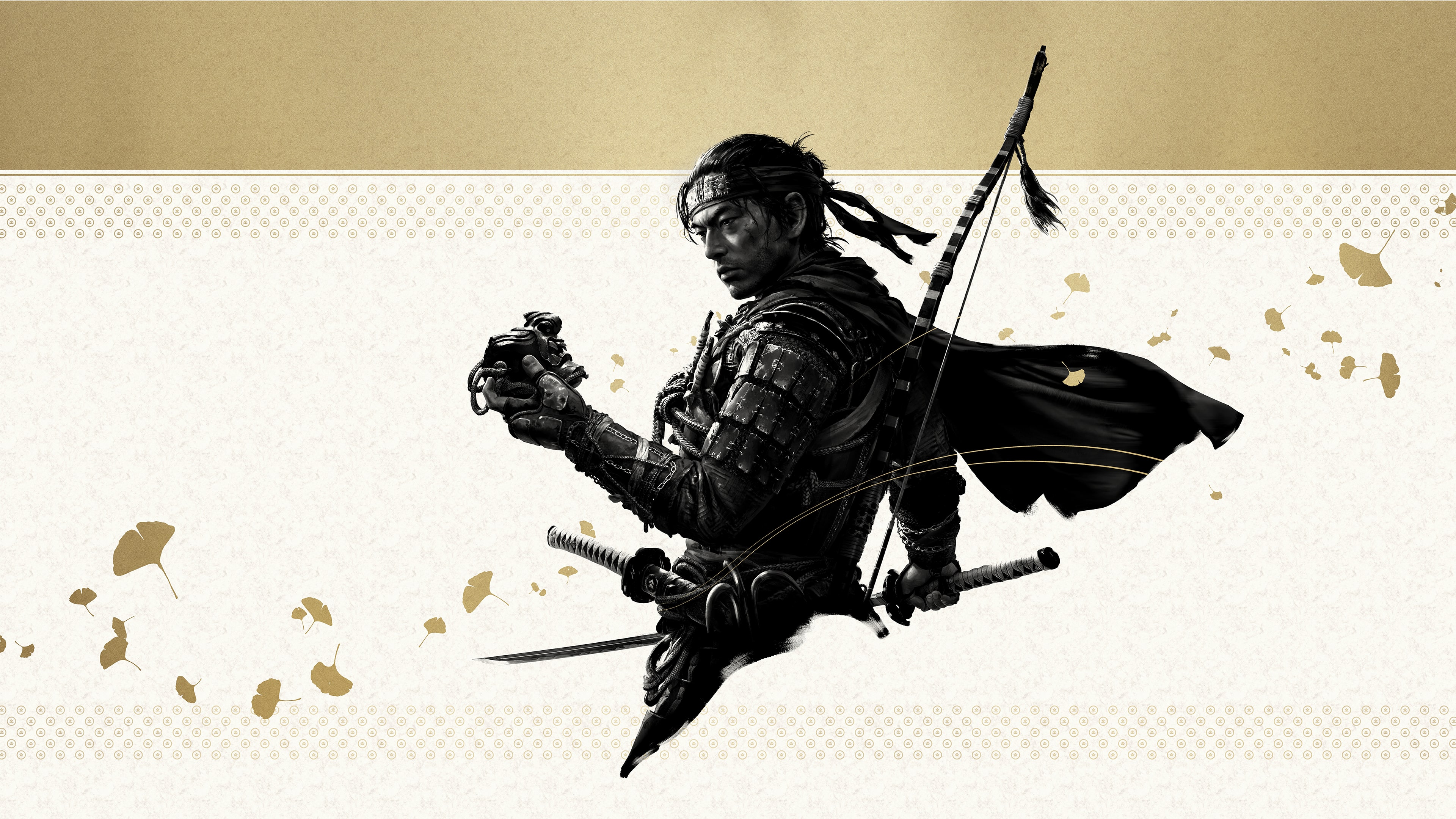
Ghost of Tsushima
Jin Sakai breaks the samurai code he was raised on to fight the 1274 Mongol invasion as the Ghost, and the game builds everything around atmosphere: wind-guided navigation instead of map clutter, stance-based swordplay that shifts per enemy, and feudal Tsushima framed like a Kurosawa film. The reviews I read keep returning to two words, beautiful and worth it, and the compelling story is the pro players name most. On this comparison it is the restraint pick, the tighter and more atmospheric of the two.
Key Features
- Stance-based swordplay and tense standoffs that stay sharp against every enemy type
- Wind-guided navigation keeps the screen clear of markers, so exploration stays calm
- The compelling story of Jin Sakai is the pro reviewers cite most, ahead of combat
- Rated 4.6 from 314,000 ratings, by far the broader audience of these two games
- Minor recurring complaints: occasional freezing and janky traversal in a few spots
Gameplay Video
Ghost of Tsushima - Aggressive Samurai Combat Gameplay - PS5
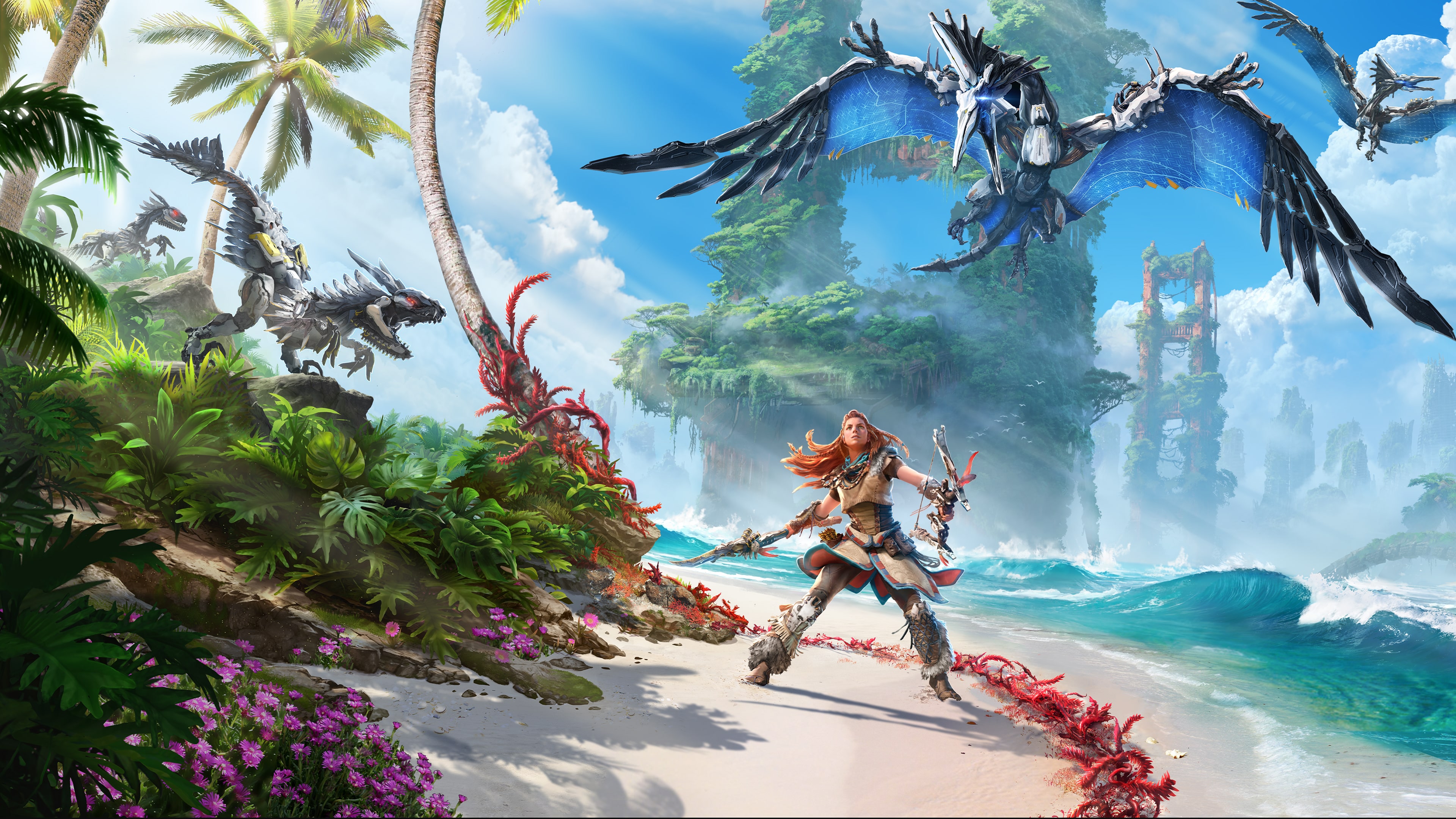
Horizon Forbidden West
Aloy heads west into a bigger, more vertical frontier, hunting robotic machines with bows, traps, and component-stripping, now backed by new weapon types and a Valor Surge system. It is the deeper open world of the two, with more to manage, and players praise its rich world and well-developed characters. The reservations I weigh are its cumbersome upgrade systems and a real ending tied to the paid Burning Shores expansion. On this comparison it is the systems pick, the larger and more mechanically dense game.
Key Features
- Tactical machine hunting with bows, elemental ammo, traps, and a Valor Surge system
- A bigger, more vertical open world with gliding, climbing, and underwater areas
- Well-developed characters and improved side missions over Zero Dawn, per reviews
- Story to beat runs about 43 hours, roughly 81 hours to fully complete
- Cited frictions: cumbersome upgrades, weak melee on big machines, ending gated behind DLC
Frequently Asked Questions
- Should I play Ghost of Tsushima or Horizon Forbidden West first?
- Start with Ghost of Tsushima if you are undecided. It is a standalone story with a tighter, more atmospheric feel, and players cross-shopping the two on PlayStation forums tend to recommend it first. Horizon Forbidden West is a direct sequel to Horizon Zero Dawn, so it rewards playing that first, but it shares no story with Tsushima and can be played in either order relative to it.
- Which is longer, Ghost of Tsushima or Horizon Forbidden West?
- Ghost of Tsushima is the longer of the two. It runs about 49 hours to finish the story and close to 99 hours for full completion, while Horizon Forbidden West takes roughly 43 hours for the story and about 81 hours to complete.
- Do you need to play Horizon Zero Dawn before Forbidden West?
- Yes. Horizon Forbidden West is a direct sequel that begins right after Horizon Zero Dawn and assumes you know Aloy and how the first game ended. Ghost of Tsushima has no prerequisite and is a self-contained story.
- Are Ghost of Tsushima and Horizon Forbidden West on PS5?
- Both are on PS5 and PS4. Ghost of Tsushima Director's Cut and Horizon Forbidden West each ship with PS5 upgrades over their PS4 versions, so a PS5 owner can play either at its best.
- Which has better combat, Ghost of Tsushima or Horizon Forbidden West?
- They are different rather than ranked. Ghost of Tsushima is melee-first, built on stance-switching swordplay, standoffs, and stealth. Horizon Forbidden West is ranged and tactical, built on bows, elemental ammo, and stripping parts off machines. Reviewers praise Tsushima's fluid combat and flag Forbidden West's upgrade menus as fiddly.