
Dark Souls 3 vs Dark Souls Remastered: Which Is Better?

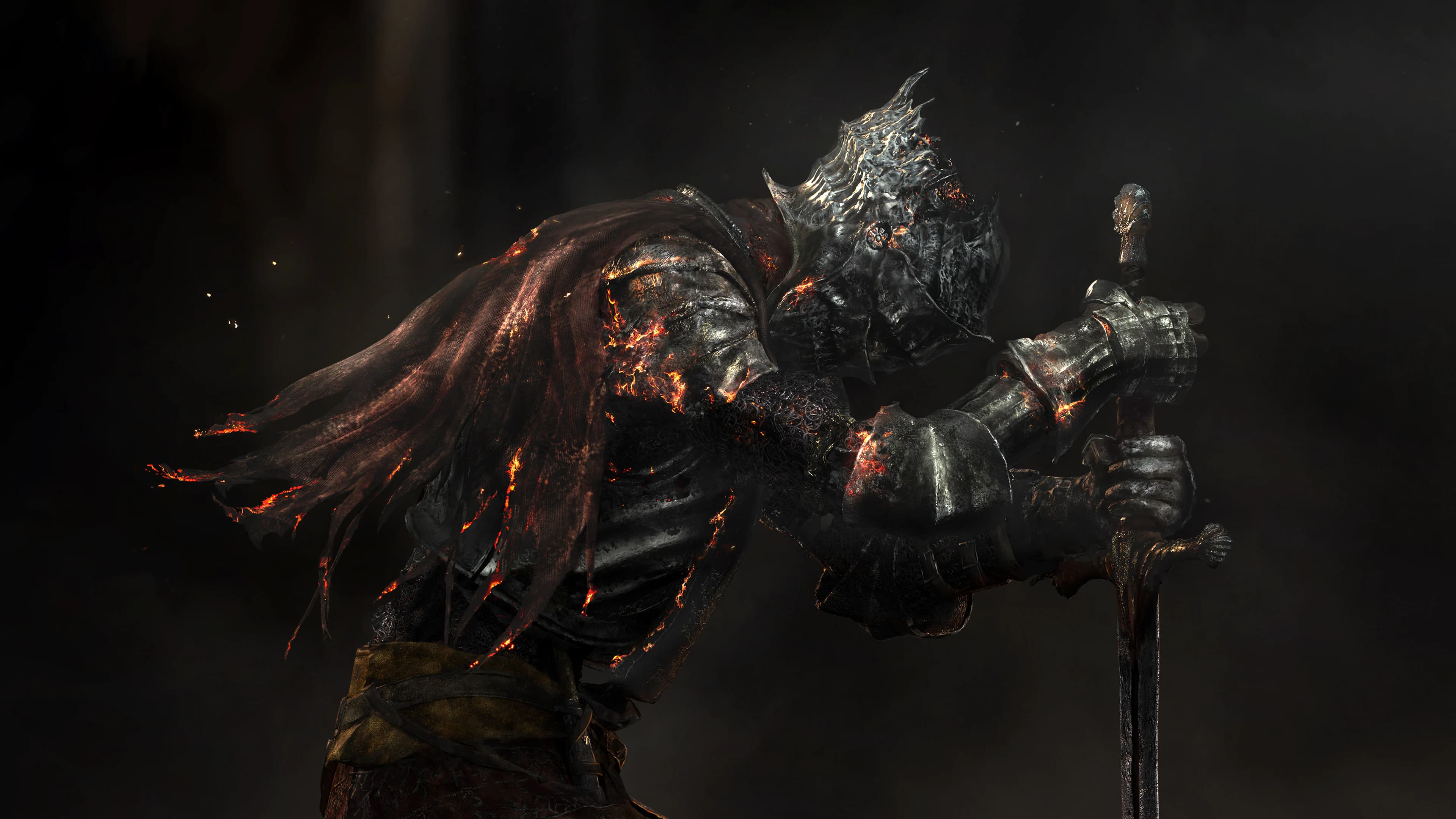
DARK SOULS™ III
Winner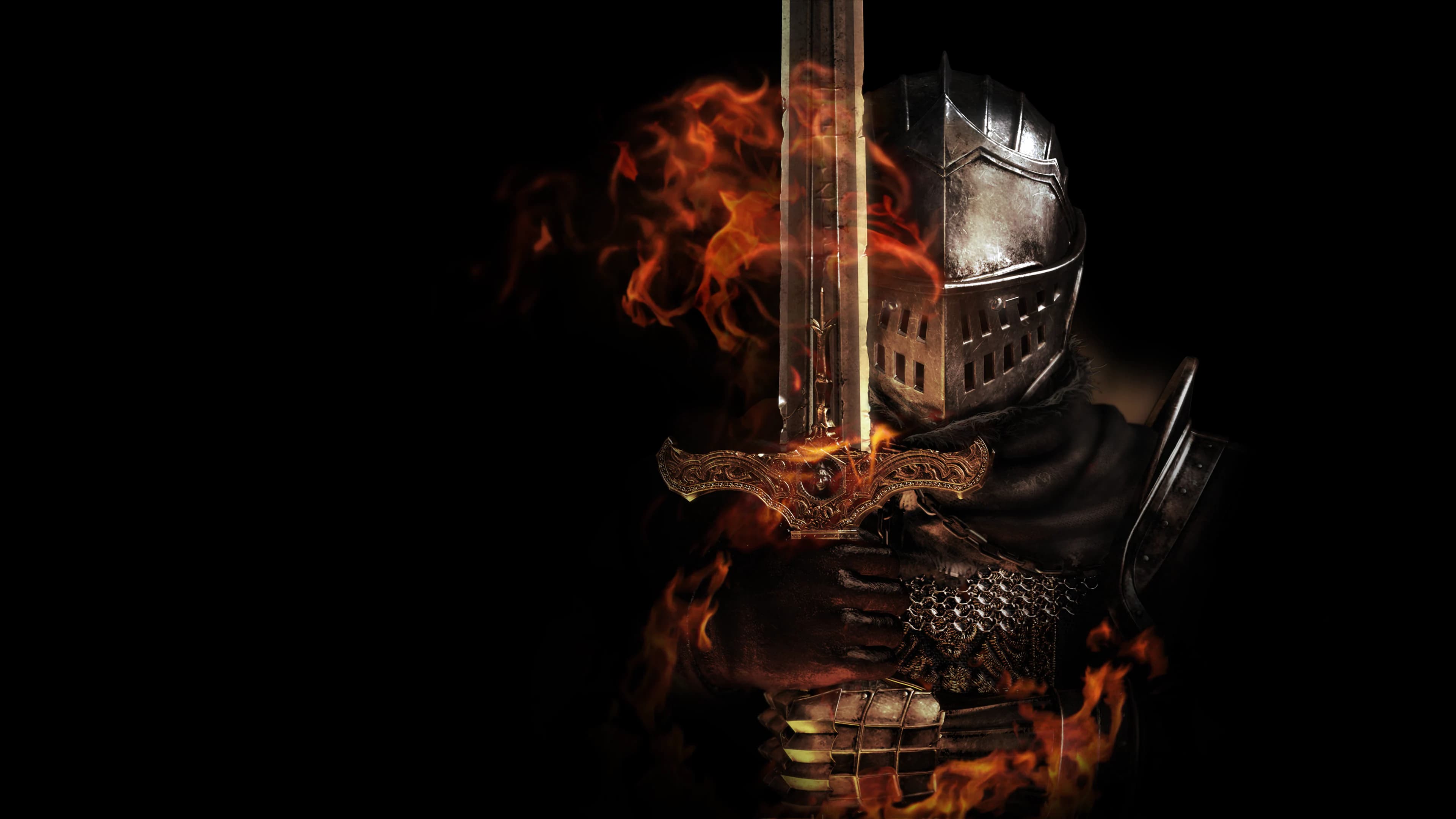
DARK SOULS™: REMASTERED
Verdict
Dark Souls 3 takes it five categories to three, and our players score it the same way, 4.78 out of 5 from 93,087 ratings against 4.70 from 36,833. It is the better game to play, with the smoother combat, the fairer difficulty and roughly 55 hours still on the board after the credits against about 8 for the remaster. Play order is the separate question, and the answer there flips: Dark Souls Remastered is the one to start on, because Dark Souls 3 spends its last act calling back to a world you have not seen yet.
- Play DARK SOULS™ III if you want the better-playing of the two, the deeper build variety, and the longer tail of content after the main story ends.
- Play DARK SOULS™: REMASTERED if you want the interconnected world the series is famous for, or you are starting the trilogy and want the callbacks in Dark Souls 3 to land.
Scoreboard
DARK SOULS™ III wins 5, DARK SOULS™: REMASTERED wins 3
At a glance
| DARK SOULS™ III | DARK SOULS™: REMASTERED | |
|---|---|---|
| Released | April 2016 | May 2018 |
| Platforms | Xbox One, PlayStation 4, PC | PS4 |
| Length | 51 h main, 106 h complete | 46 h main, 54 h complete |
| Player rating | 4.78 / 5 (93,087) | 4.70 / 5 (36,833) |
| Critic score | 89 / 100 | n/a |
| Co-op and multiplayer | Single player, Multiplayer, Co-operative; online up to 6 | Single player, Multiplayer, Co-operative; online up to 6; co-op online up to 4 |
| DLC | 4 DLC | 3 DLC |
| Genres | Action, Role Playing Games, Adventure | Role Playing Games, Role Playing Games |
| Place in the series | Third and final chapter, 2016 | The 2011 original, remastered in 2018 |
| Hours still left after the credits | About 55 | About 8 |
| Where the difficulty bites | The boss arena | The walk back to it |
| Best for | The better game to play | The better game to play first |
What changed between Lordran and Lothric
Five years separate Dark Souls Remastered from Dark Souls III, and the changes cluster in two places. The first is speed. Rolls recover faster, estus drinks faster, and weapon arts give each weapon a second attack that costs focus points, a resource the first game has no equivalent for. Our catalogue logs magic as a mechanic for Dark Souls 3 and not for the remaster, which is the build layer the ResetEra thread keeps returning to.
The second is structure, and it is a loss as much as a change. Lordran is one continuous space; Lothric is a sequence of excellent areas connected by a bonfire menu. Both of those facts show up in the games' own stored complaints, the remaster's back half on one side and Dark Souls 3's linearity on the other. Neither game hides its weak spot.
- Kept: stamina-bound combat, item-text storytelling, bonfires, and the full expansion in the box.
- Added in Dark Souls 3: weapon arts, focus points, and a faster roll.
- Lost in Dark Souls 3: the interconnected map, and the sense that a shortcut is a discovery rather than a convenience.
Where to start if Elden Ring got you here
This is the version of the question players actually ask. The Facebook and GameFAQs threads on this comparison are both from players who finished Elden Ring first and want to know which Dark Souls to pick up next, which is a different problem from choosing between them cold.
Coming off Elden Ring, Dark Souls 3 is the smaller adjustment. Same director, same combat vocabulary, and the roll timing transfers almost directly. Dark Souls Remastered asks you to slow down and to give up fast travel for the first stretch, which reads as clunky rather than deliberate if you arrive expecting Elden Ring's movement. That is exactly the complaint its own players file.
- Start with Dark Souls Remastered if you intend to play both and want the callbacks in Dark Souls 3 to mean something, or if the interconnected world is the part of the series you came for.
- Start with Dark Souls 3 if you are only playing one, or if you are coming straight off Elden Ring and want the shorter adjustment.
- Play both in release order for roughly 97 hours of main story by our logged figures, and about 160 to see everything.
World and exploration: DARK SOULS™: REMASTERED
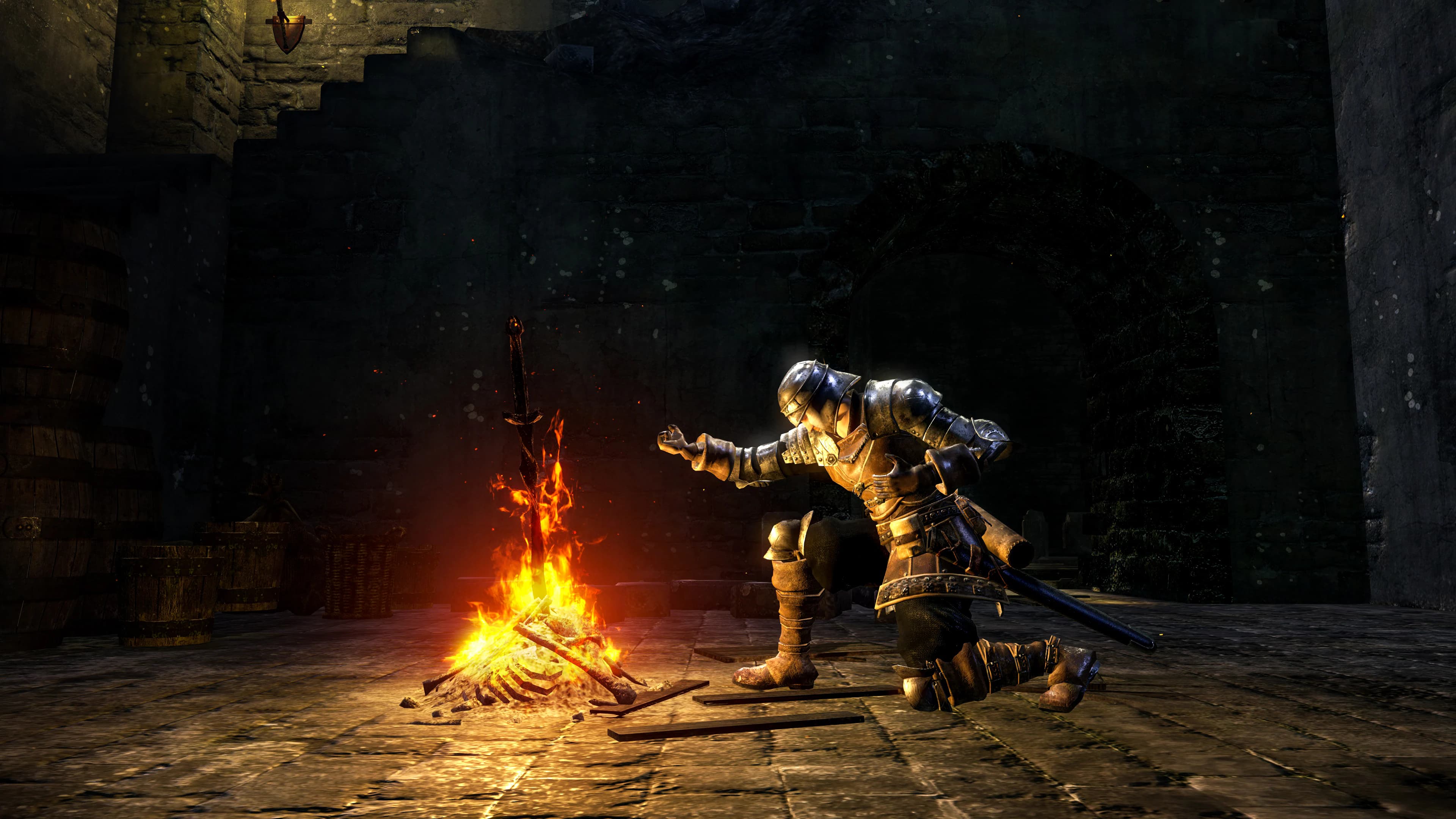
Dark Souls Remastered, and this is the one category where the older game is not merely holding its own. Lordran is built as a single interlocking structure rather than a sequence of levels, so a hard-won shortcut loops back to Firelink Shrine and a distant peak glimpsed early becomes a place you reach hours later. Exceptional level design and interconnected world is the first item in its stored player praise. Dark Souls 3 files the opposite in its own complaints, where players name both a level design that lacks interconnectedness and progression that felt linear, and the top Reddit thread on this question agrees: the areas are less ambitious and the game is much more linear. The honest deduction is the back half. Lordran past Anor Londo, Lost Izalith above all, is the stretch its own players call rushed.
Combat and gameplay: DARK SOULS™ III
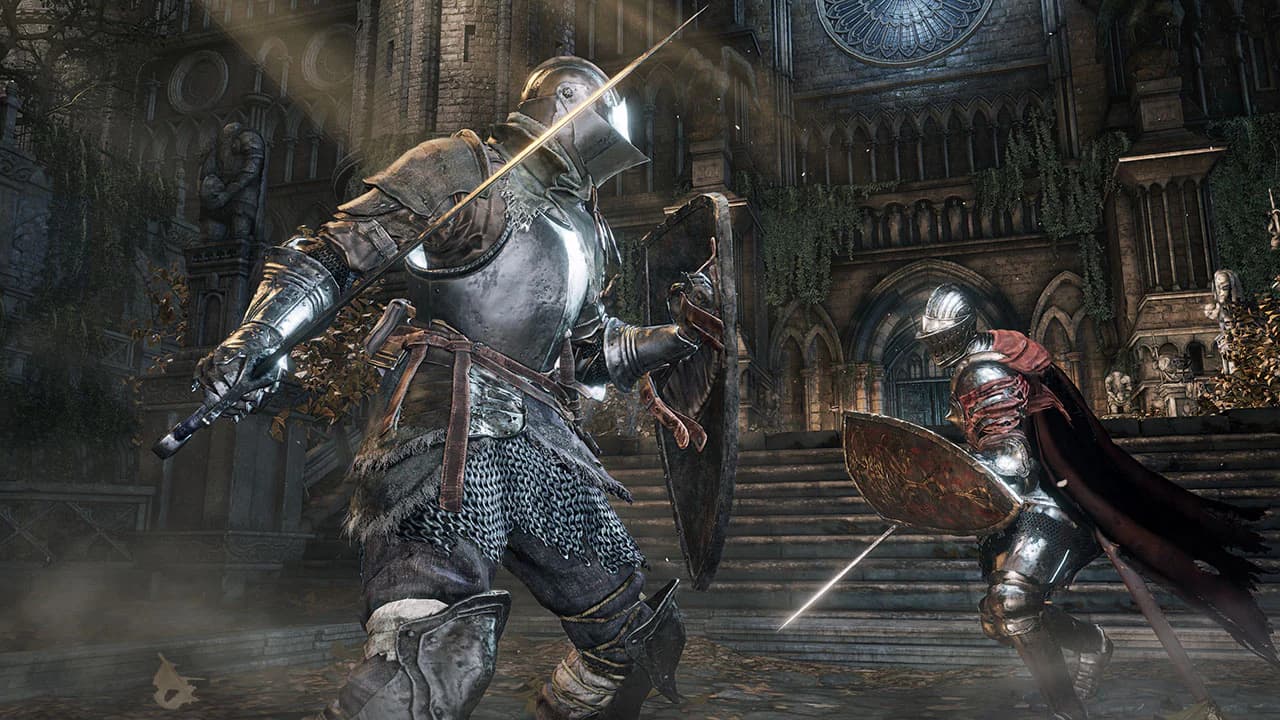
Dark Souls 3, and it is the least contested result here. Engaging combat mechanics and smooth controls leads its stored player praise, while some clunky mechanics sits in the remaster's complaints, which is the same verdict from both directions. The concrete gap is quality of life. The Steam and ResetEra threads name the same additions, a simpler weapon upgrade path, weapon arts, and faster recovery on rolls and estus, and our catalogue logs magic as a mechanic for Dark Souls 3 that the remaster's record does not carry. The remaster is a preservation rather than a reinvention, so 2011's deliberate, stamina-bound pacing survives intact, which some players want and most do not. If the axis is how the game feels in your hands, this is not close.
Story and characters: DARK SOULS™: REMASTERED
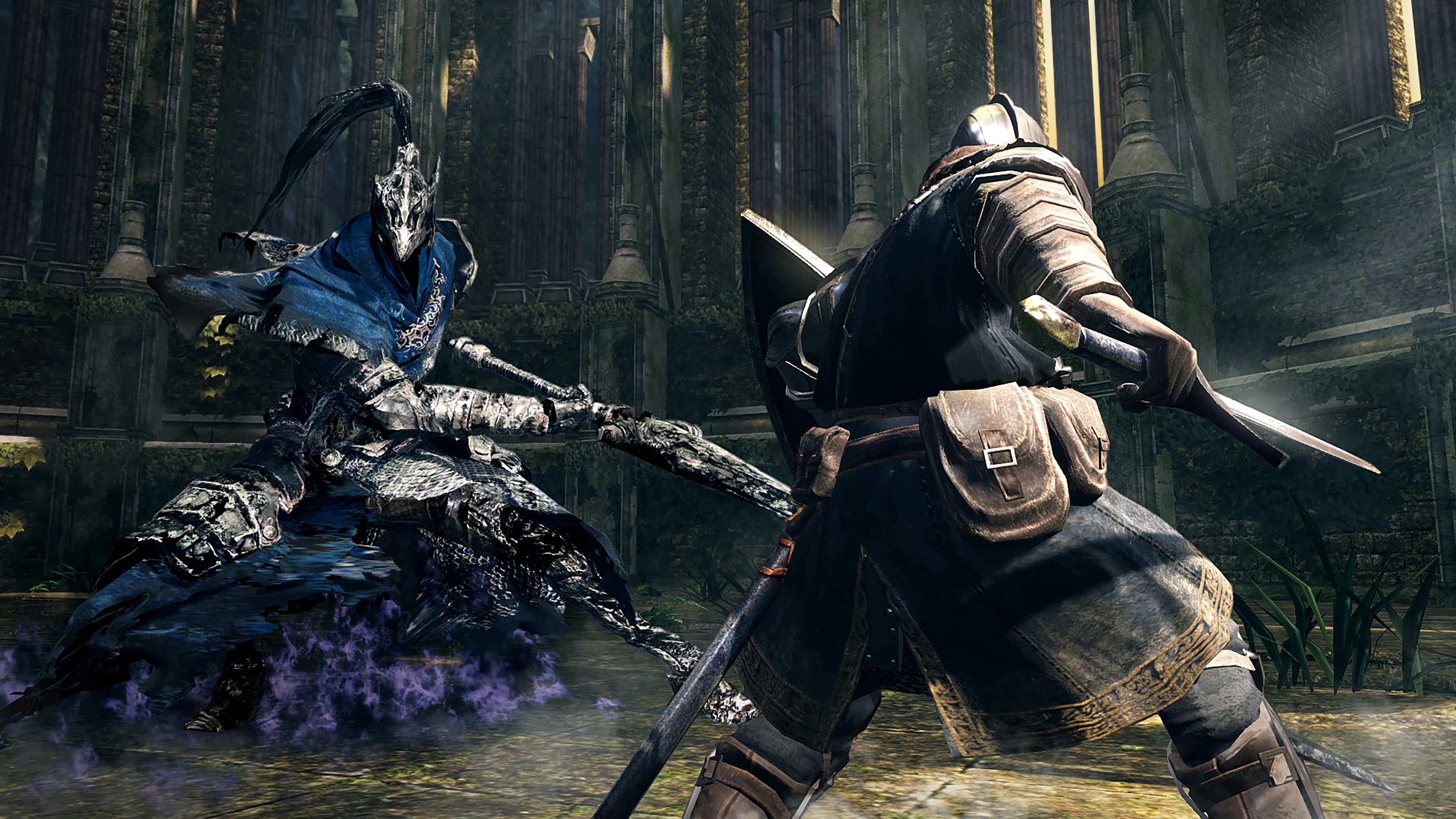
Dark Souls Remastered, on originality rather than delivery. Immersive atmosphere and lore is stored praise for the remaster, and Dark Souls 3 earns rich lore and atmospheric world in its own, so both are well regarded. The separation is that Dark Souls 3 is the closing chapter and spends much of it in conversation with the first game, which is exactly why the GameFAQs board recommends playing Lordran first. A reference lands differently when you have been to the place it points at. The remaster carries its own counterweight, since cryptic lore that may be frustrating for new players is filed in its complaints. Both bury the story in item text. Only one is telling it for the first time.
Difficulty: DARK SOULS™ III
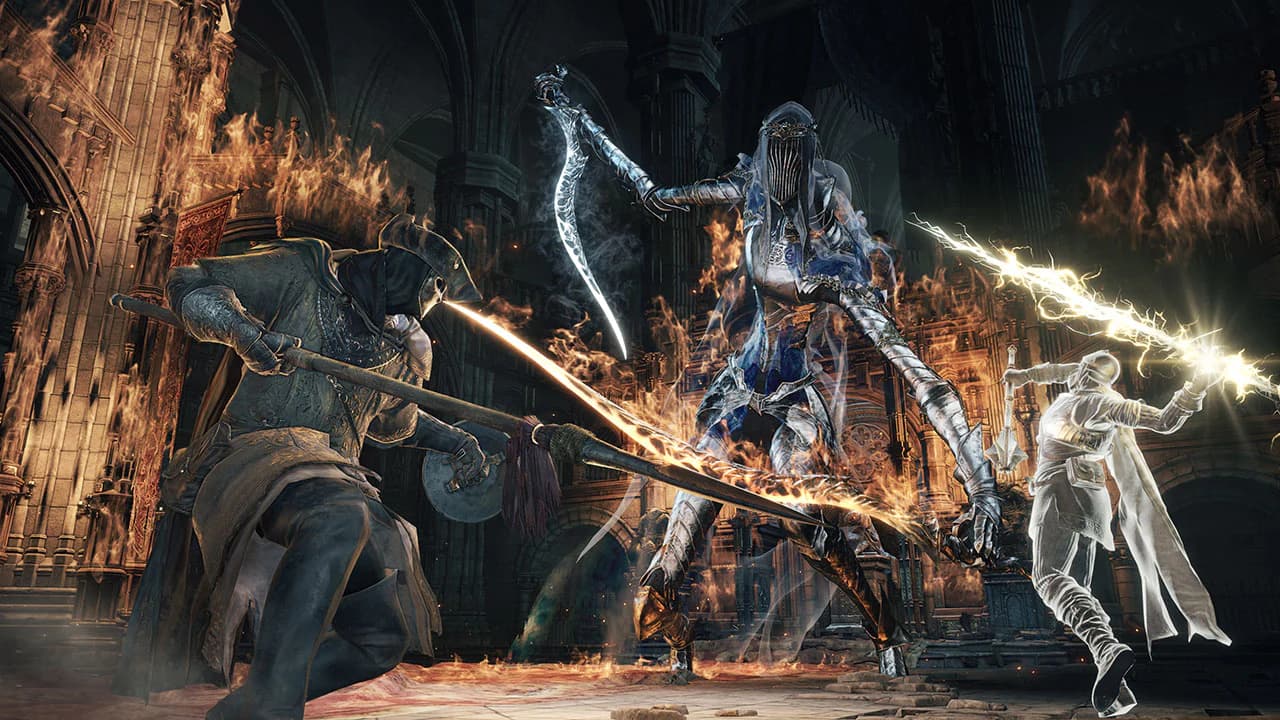
Dark Souls 3, because it is harder in the places worth being hard. Memorable and well-designed bosses is its second stored praise item, and the remaster answers with annoying boss runbacks in its complaints, which is the difference in one line. A runback is not difficulty, it is a toll charged between attempts, and the first game charges it repeatedly. Dark Souls 3 puts a bonfire near most of its fights and makes the fight itself the wall. Neither game is forgiving, so this is not a gentleness ranking. It is about where the pressure sits: the remaster spreads it across the walk back, Dark Souls 3 concentrates it in the arena.
Visuals and performance: DARK SOULS™ III
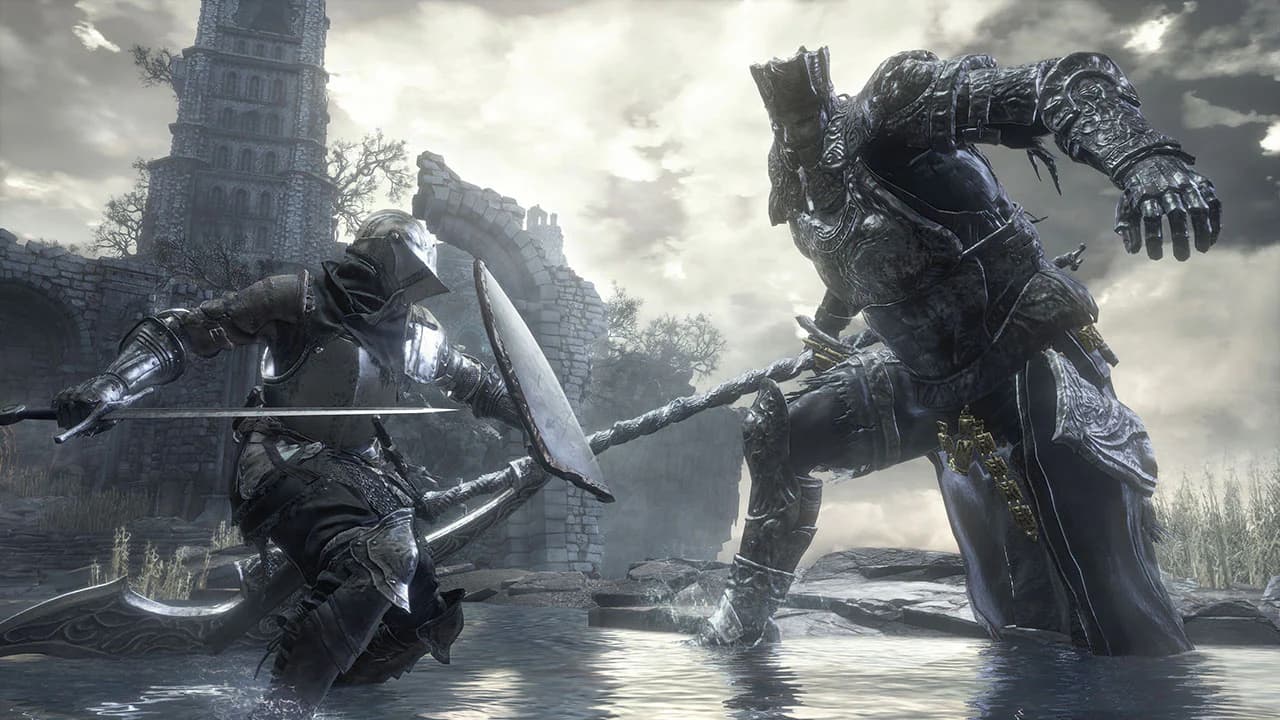
Dark Souls 3, on art direction and sound, with one real concession going the other way. Beautiful visuals and sound design is stored praise for Dark Souls 3 and the remaster has no equivalent line, which tracks with a 2016 game built for the hardware against a 2011 game cleaned up for it. Lothric's ash-choked cathedrals are the work of a studio at the top of its craft. The concession is framerate: the remaster's whole pitch is Lordran running at 60fps, and it holds that target on console. Dark Souls 3's own complaints include freezing and lag, filed against the PC build. Better looking, then, but not the smoother of the two.
Length and value: DARK SOULS™ III
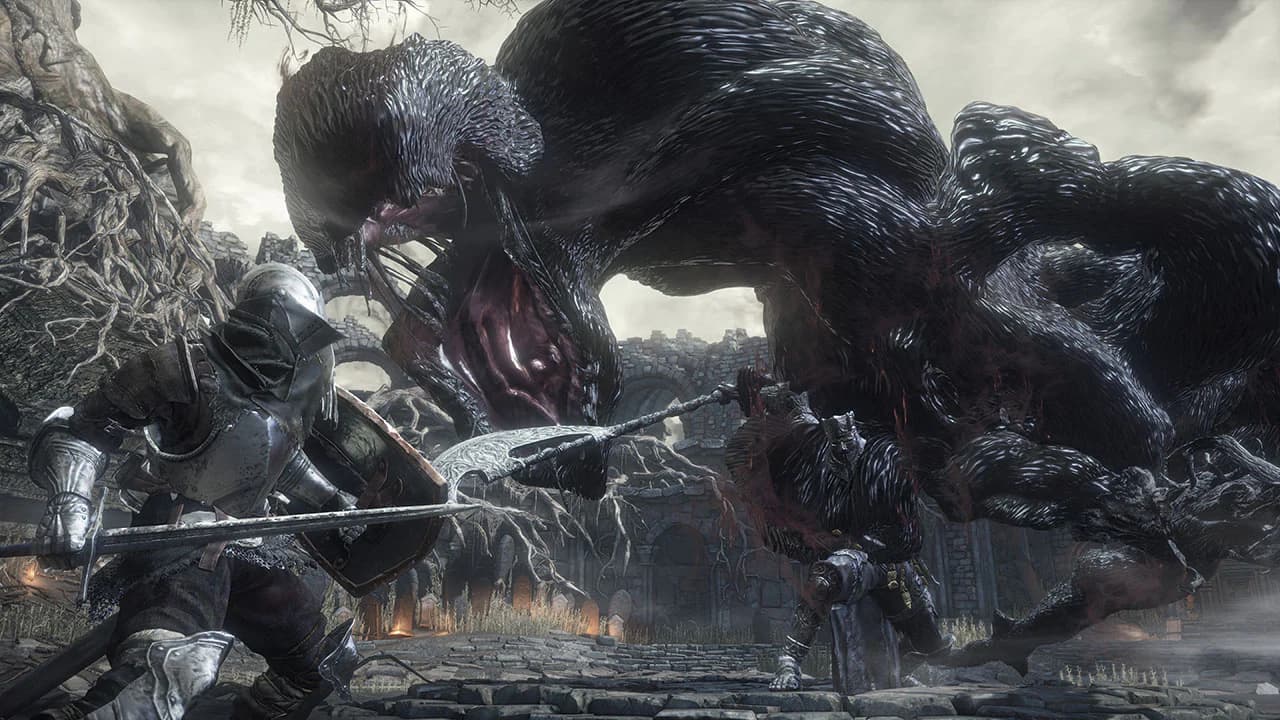
Dark Souls 3, and the gap is in what is left when the credits roll rather than in the main story. Our catalogue logs roughly 51 hours for a normal run against 46 for the remaster, close enough to call even. Completion is where they separate: about 106 hours against about 54, so Dark Souls 3 leaves roughly 55 hours still standing after the ending and the remaster leaves about 8. Both ship their expansion content in the box, the remaster with Artorias of the Abyss, and the ResetEra thread gives the DLC edge to Dark Souls 3 even among players who prefer the original. Neither sits on a PS Plus tier, so both cost full price to a subscriber. One runs roughly twice as long for it.
Replayability and builds: DARK SOULS™ III
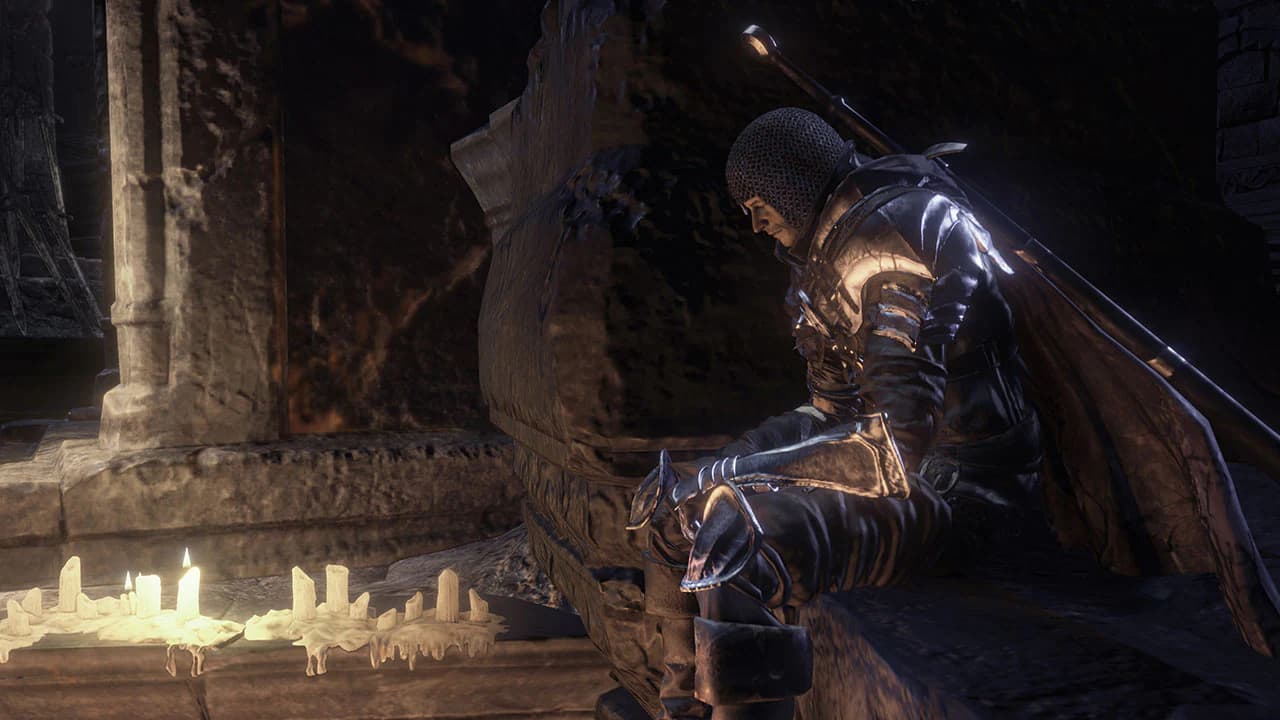
Dark Souls 3, and its own players put it in the list: high replay value with diverse character builds is stored praise for it and has no counterpart in the remaster's. The catalogue backs that with specifics. Dark Souls 3 carries magic, a class system and multiple endings as logged mechanics, so a sorcery run and a strength run are different playthroughs with different ending conditions to chase. The remaster's record carries the class system and collectibles but no multiple-endings entry, which narrows what a second run is for. Weapon arts widen it further, since they change how a weapon plays rather than how hard it hits. Both reward a new character. Only one changes shape when you make one.
Co-op and multiplayer: DARK SOULS™: REMASTERED
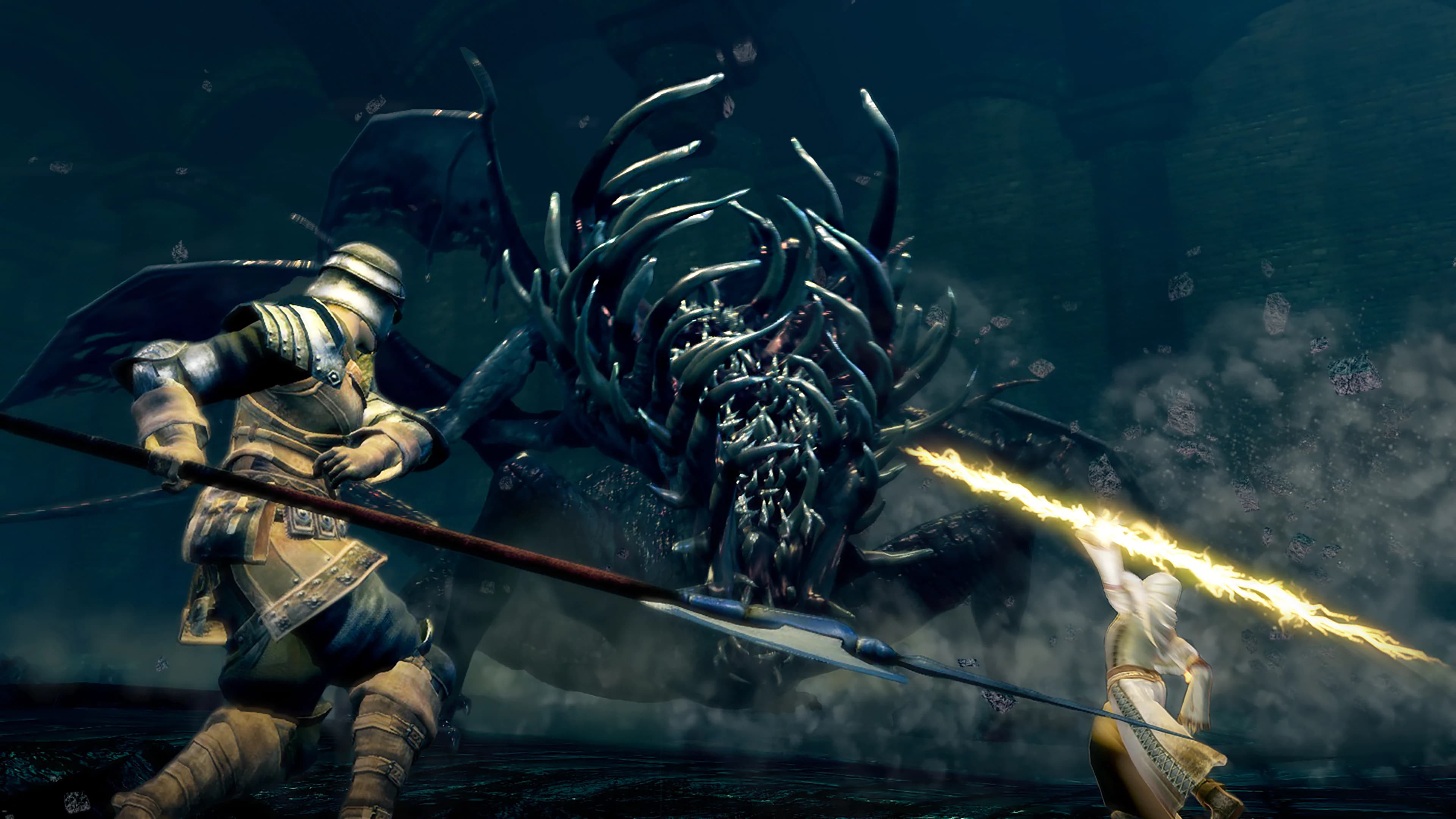
Dark Souls Remastered, on infrastructure, and this is the result I did not expect to land against the editorial consensus. Both cap at six players online in our catalogue, but the remaster is the one that logs a co-op record at all, four players online with dedicated servers, the headline change the 2018 release made over the peer-to-peer original. Dark Souls 3 carries the opposite entry in its complaints, where concerns about online hacking affecting multiplayer is filed by players directly. The honest counterweight is PvP, where the ResetEra thread gives Dark Souls 3 the edge on balance and duel design. For co-op with a friend and a stable connection, the remaster is the safer pick.
What players say
DARK SOULS™ III
Praise
- Engaging combat with smooth controls, the most repeated compliment in its reviews
- Memorable, well-designed bosses that carry the back half
- High replay value from genuinely different character builds
Complaints
- Level design that players say lacks the first game interconnectedness
- Online hacking reported as a recurring multiplayer problem
- Freezing and lag filed against the PC build
DARK SOULS™: REMASTERED
Praise
- Exceptional level design and a genuinely interconnected world
- Immersive atmosphere and lore that players still rate as the series best
- Artorias of the Abyss included rather than sold separately
Complaints
- Clunky mechanics that 2018 preserved rather than fixed
- A second half, Lost Izalith above all, players call rushed
- Boss runbacks long enough to be filed as their own complaint
The games
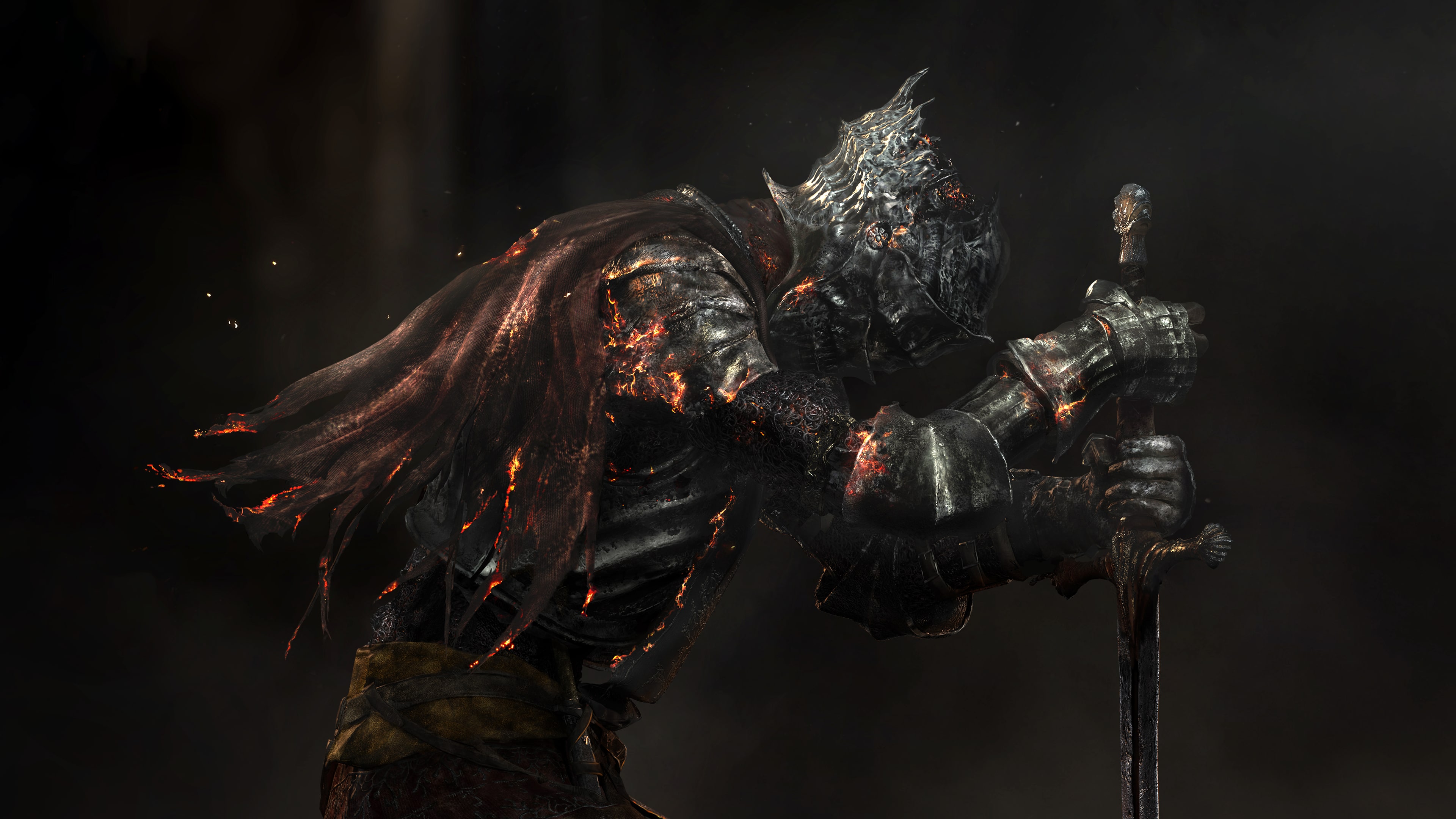
Frequently Asked Questions
- Which is better, Dark Souls 3 or Dark Souls Remastered?
- Dark Souls 3, on five categories to three. It takes combat, difficulty, visuals, length and value, and replayability; Dark Souls Remastered takes world and exploration, story, and co-op and multiplayer. Our players rate Dark Souls 3 at 4.78 out of 5 from 93,087 ratings against 4.70 from 36,833 for the remaster. The remaster still wins the single thing the series is most famous for, which is the interconnected map.
- Should you play Dark Souls Remastered before Dark Souls 3?
- Yes if you plan to play both. Dark Souls 3 is the closing chapter of the trilogy and spends much of its back half on returns to locations, characters and events from the first game, so the references land properly only in that order. It is not required, since Dark Souls 3 stands on its own and explains what it needs to. If you are only ever playing one of the two, start with Dark Souls 3.
- Is Dark Souls 3 harder than Dark Souls Remastered?
- They are hard in different places. Dark Souls 3 has the tougher boss fights, and memorable, well-designed bosses is the second item in its stored player praise. The remaster puts more of its pressure on the approach: annoying boss runbacks is filed directly in its player complaints, meaning long walks back to a fight after each death. Dark Souls 3 keeps bonfires close to most arenas, so the difficulty sits in the fight rather than in the trip.
- Is Dark Souls 3 longer than Dark Souls Remastered?
- Slightly for the main story and by roughly double for full completion. Our catalogue logs about 51 hours for a normal run of Dark Souls 3 against about 46 for Dark Souls Remastered. Completion is where they split: about 106 hours against about 54, which leaves roughly 55 hours of content after the credits in Dark Souls 3 and about 8 in the remaster.
- What is the difference between Dark Souls and Dark Souls Remastered?
- Dark Souls Remastered is the 2011 original rebuilt to run at 60fps in higher resolution, with online play moved onto dedicated servers and the Artorias of the Abyss expansion included. The game itself is unchanged: the same Lordran, the same bosses, the same cryptic item-text lore. It is a preservation rather than a reinvention, which is why its stored player complaints still name the original's clunky mechanics and rushed second half.
- Can you play Dark Souls 3 without playing Dark Souls first?
- Yes. Dark Souls 3 opens in a new region with a new cast and explains its own premise, and it is by a distance the more common entry point of the two. What you lose is the weight of the callbacks, since several late areas and characters are returns rather than introductions. What you gain is the faster combat, which is a much easier landing for anyone arriving from Elden Ring or Bloodborne.
- Which Dark Souls has better multiplayer?
- It depends on whether you mean co-op or PvP. Dark Souls Remastered is the safer co-op game: it logs four-player online co-op in our catalogue and runs on dedicated servers, the main change the 2018 release made over the peer-to-peer original. Dark Souls 3 is the stronger PvP game on balance and duel design, but concerns about online hacking affecting multiplayer sits in its stored player complaints. Both cap at six players online.
Sources
- Reddit r/fromsoftware: Should I get Dark Souls Remastered or Dark Souls 3
- Steam Community: DSR vs DS3
- GameFAQs: Best to start with Dark Souls Remastered or Dark Souls 3?
- ResetEra: What makes Dark Souls better than Dark Souls 3?
- TheGamer: Dark Souls Vs. Dark Souls 3, Which Game Is Better?
- Game-Scout players: Dark Souls III
- Game-Scout players: Dark Souls Remastered