
Resident Evil 4 vs Resident Evil 2 - Game Scout

Resident Evil 4 vs Resident Evil 2 at a glance
| Resident Evil 4 | Resident Evil 2 | |
|---|---|---|
| Released | March 2023 | January 2019 |
| Platforms | PS5, PS4 | PS5, PS4 |
| Setting | Rural European village | Raccoon City police station |
| Style | Action-horror | Survival horror |
| Combat | Combat-forward, merchant economy | Resource-scarce, tense |
| Signature threat | Ganado cult, the Chainsaw man | Mr. X (the Tyrant) |
| Time to beat (main) | ~20 hours | ~13 hours |
| Player rating | 4.74 / 5 (144,667) | 4.77 / 5 (114,401) |
| Metacritic | 93 (PS5) | 91 (PS4) |
| Player sentiment | Great | Great |
| Best for | A bigger action-horror campaign | The scarier, purest survival horror |
Setting and story: one city, one village, one Leon
These two remakes bookend the same character. Resident Evil 2 is Leon Kennedy's very first day as a Raccoon City cop, and it never leaves the city: a viral outbreak has already collapsed into chaos, and the campaign is one long, tightening trek out of a police station and down into the sewers and labs beneath it. The story is small and personal, and the remake leans into that, trading the original's fixed camera for an over-the-shoulder view that keeps you inside the dread.
Resident Evil 4 picks Leon up six years later, now a government agent sent to a remote European village to rescue the president's kidnapped daughter. The threat is no longer the Raccoon City virus but a parasitic cult, and the scope opens right up: villages, a castle, an island, a cast of memorable antagonists. Review after review comes back to the same point about the 2023 version, that it keeps the beloved pace of the original while giving Leon a more serious, more complex read. If you care about the character, Resident Evil 2 is where his story begins and Resident Evil 4 is where it hardens.
Combat and pace: survival horror vs action-horror
This is the split that decides the choice. Resident Evil 2 is survival horror in the strict sense: ammo and healing are scarce, most fights are better avoided than won, and the tension comes from deciding what you can afford to shoot. Its enemies are durable enough that players in reviews flag the frustration as often as the fear, and the constant presence of Mr. X turns even backtracking into a calculation.
Resident Evil 4 hands you the tools to fight back. It keeps the survival-horror bones but pushes toward action: a broad weapon variety, satisfying melee, and the returning merchant who lets you buy and upgrade an arsenal between chapters. Players consistently praise its smooth combat and its in-game economy as the thing that gives the campaign more freedom. Resident Evil 2 is the game of running and hiding; Resident Evil 4 is the game of standing your ground.
Horror and atmosphere: which one is scarier
Both games have beautiful, oppressive atmosphere, but they aim it differently. Resident Evil 2 is the scarier of the two, and it earns that with claustrophobia and sound design more than with cheap shocks. The police station is a puzzle-box you slowly learn by heart, which makes every new noise and every Mr. X footstep land harder. Its themes are urban and post-apocalyptic, a city already lost, and the remake commits fully to that darker, more serious tone.
Resident Evil 4 trades some of that fear for spectacle and momentum. The atmosphere is still strong, and the village and castle are genuinely unsettling, but the psychological pressure is lower because you are usually armed for the fight. If pure horror is what you want from a survival-horror game, Resident Evil 2 is the one that keeps the lights off. If you want a horror-flavoured action adventure, Resident Evil 4 is the more thrilling ride.
Length and replay value
Length is a real, measurable gap here. A main run of Resident Evil 4 lands around 20 hours, with completionists pushing past 40, while Resident Evil 2's main path sits closer to 13 hours and can be rushed in well under 10. Resident Evil 4 simply feels like the bigger adventure, moving you through more distinct environments before the credits.
Replay value cuts differently. Resident Evil 2 builds its replay into the story: a second run from the other character's perspective, Leon or Claire, plus multiple endings that reward a return trip. Resident Evil 4 leans on extra modes and challenges instead, and it is the game players most often call worth coming back to for the sheer fun of its combat. Neither is short on reasons to replay; they just reward different kinds of player.
What players actually rate higher
This is where the first-party data complicates the usual verdict. Most opinion pieces hand the overall win to Resident Evil 2, and on story and pure scares that holds up. But on Game-Scout's aggregated player ratings the two are almost inseparable: Resident Evil 2 averages 4.77 out of 5 from 114,401 ratings, and Resident Evil 4 averages 4.74 from 144,667. Both sit firmly in the Great band, and the small edge to Resident Evil 2 comes despite Resident Evil 4 drawing the larger crowd of raters.
The pros and cons in those reviews track the two designs cleanly. Resident Evil 2's praise centres on tension, atmosphere and puzzles, while its complaints are enemy durability and a repetitive second scenario. Resident Evil 4's praise centres on combat, graphics and replay value, while its complaints are microtransactions and companion AI. Read together, the numbers say something the head-to-head verdicts often miss: these are not a better game and a worse one, but two near-equally loved takes on what Resident Evil can be.
The verdict: which should you play first
Play Resident Evil 2 first. It is the scarier, more focused game, the purest survival horror of the pair, and it is where Leon's story begins, so starting there lets Resident Evil 4 pay off as the harder, more capable version of the same character. It is also the shorter campaign, which makes it the easier one to commit to before the bigger adventure.
Then play Resident Evil 4 for the campaign that opens everything up: more weapons, more freedom, more places to go, and the combat players keep calling the most fun in the modern series. If you can only pick one, choose by mood. Resident Evil 2 for a night you want to spend genuinely scared, Resident Evil 4 for a longer adventure you want to spend fighting back. Both are absolutely worth it, and for more of these head-to-heads see The Last of Us Part 1 vs Part 2 or browse the full best horror games list.
Featured Resident evil 4 vs resident evil 2

Resident Evil 4
The bigger, more combat-forward half of this pair. Six years after Raccoon City, a hardened Leon Kennedy is sent to a remote European village to rescue the president's daughter, and the remake keeps the original's momentum while sharpening the atmosphere and the writing. It is the longer campaign of the two, built around weapon variety, a returning merchant economy and set-piece encounters rather than pure scarcity.
Key Features
- The longer campaign of the two, around 20 hours for a main run across varied environments
- Combat-forward design: broad weapon variety, melee, and the returning merchant economy
- A darker, more grounded retelling of Leon's rescue of the president's daughter
- High replay value, the strength players single out most in its reviews
- On PS5 and PS4, with the larger pool of player ratings at 144,667
Gameplay Video
Resident Evil 4 Remake - Before You Buy
RESIDENT EVIL 2
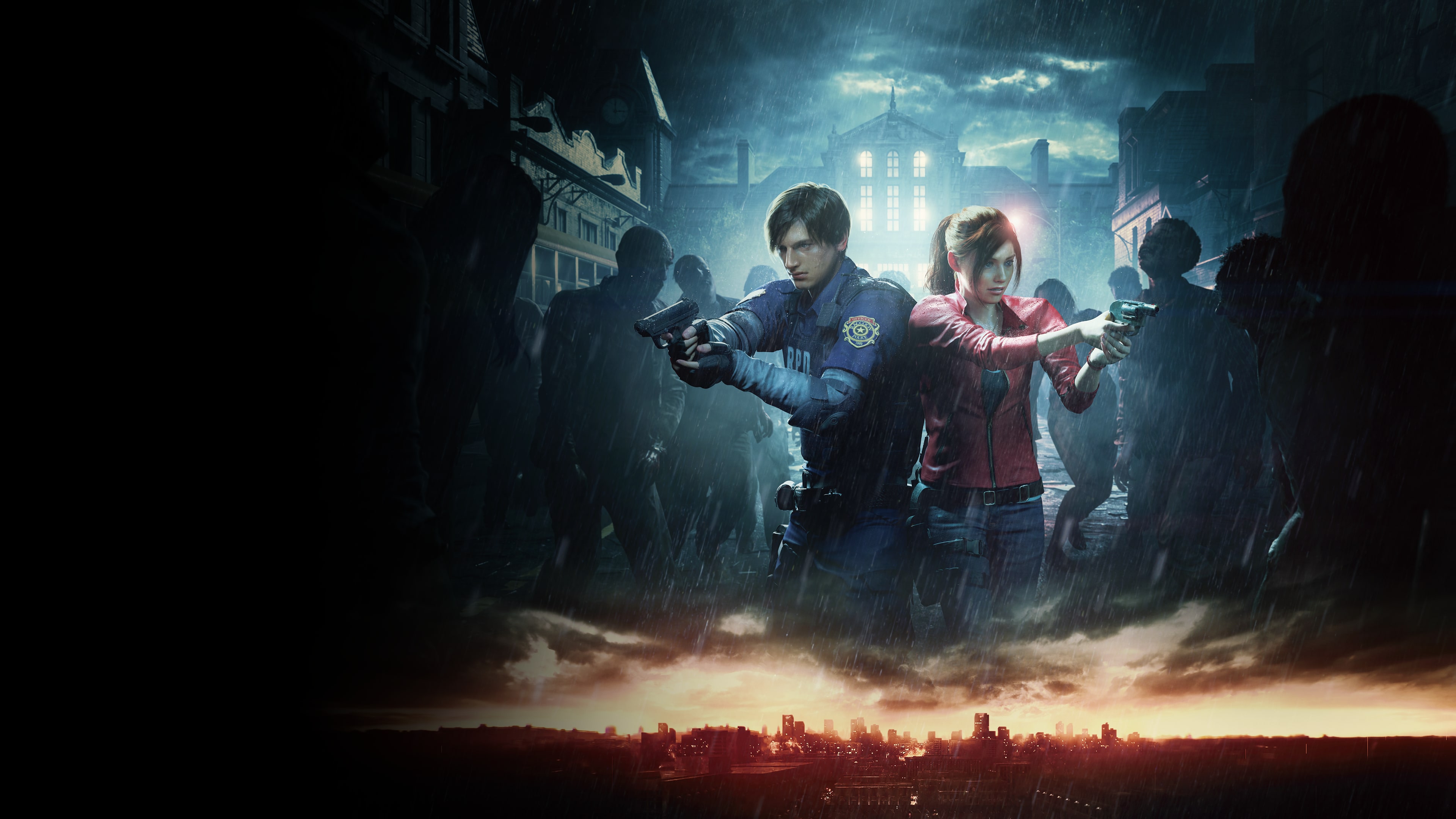
The scarier, more claustrophobic half. Resident Evil 2 is Leon Kennedy's first night on the job, a single outbreak in Raccoon City told through a tense trek out of a police station where ammo is short and the Tyrant, Mr. X, stalks you between rooms. It is the shorter campaign, but the one players and critics point to for pure survival horror, sound design and puzzle-box level design.
Key Features
- The tenser, scarier of the two, built on scarcity and the relentless Mr. X
- Two campaigns, Leon and Claire, with multiple endings and a shorter main run near 13 hours
- Puzzle-box police-station design that players rate among the series' best
- A darker, more serious tone and standout sound design
- On PS5 and PS4, rated a hair higher by players at 4.77 from 114,401
Gameplay Video
Resident Evil 2 and 3 are PERFFECT on PlayStation 5!! (PS Plus Version Review)
Frequently Asked Questions
- Should you play Resident Evil 2 before Resident Evil 4?
- Yes, if you can. Resident Evil 2 is Leon Kennedy's first day in Raccoon City, and Resident Evil 4 picks him up six years later, so playing the Resident Evil 2 remake first lets Leon's arc land in order. Neither game requires the other to make sense, but Resident Evil 2 is also the shorter, scarier campaign, which makes it a natural starting point before the bigger Resident Evil 4.
- Which is better, the Resident Evil 4 or Resident Evil 2 remake?
- It is close, and it depends on what you want. On Metacritic the two are within two points, Resident Evil 4 at 93 and Resident Evil 2 at 91, and Game-Scout player ratings are nearly level at 4.74 and 4.77. Many opinion pieces still give Resident Evil 2 the overall win for its scares and writing, while Resident Evil 4 wins on combat, length and replay. Resident Evil 2 is the better pure-horror game; Resident Evil 4 is the better action-horror adventure.
- Which is scarier, Resident Evil 2 or Resident Evil 4?
- Resident Evil 2 is scarier. It leans on scarcity, claustrophobic police-station design and the relentless Mr. X, keeping you tense and under-armed. Resident Evil 4 has strong atmosphere too, but it hands you a large arsenal and pushes toward action, so the fear gives way to spectacle. For pure survival-horror dread, Resident Evil 2 is the one.
- Which is longer, Resident Evil 4 or Resident Evil 2?
- Resident Evil 4 is longer. A main run lands around 20 hours, with completionists past 40, across more varied environments. Resident Evil 2's main path is closer to 13 hours and can be rushed in under 10, though its second campaign from the other character's perspective adds replay. Resident Evil 4 is the bigger single adventure.
- Are Resident Evil 2 and Resident Evil 4 connected?
- Yes, through Leon S. Kennedy. Resident Evil 2 is his first day as a Raccoon City police officer during the outbreak, and Resident Evil 4 is set six years later, with Leon now a government agent sent to rescue the president's daughter. The plots are separate, but they follow the same character across two very different threats.
- Do you need to play Resident Evil 2 to understand Resident Evil 4?
- No. Resident Evil 4 stands on its own and explains what you need, and its threat, a parasitic cult in Europe, is unconnected to the Raccoon City virus of Resident Evil 2. Playing Resident Evil 2 first adds context for Leon as a character, but it is not required to follow or enjoy Resident Evil 4.
- Which is harder, Resident Evil 2 or Resident Evil 4?
- Resident Evil 2 feels harder for most players because it deliberately keeps ammo and healing scarce, and the recurring complaint in reviews is that enemies are durable and Mr. X is unrelenting. Resident Evil 4 is combat-forward and gives you more tools to fight back, so it often feels more manageable despite its bigger encounters. Both remakes offer selectable difficulty settings.