
Clair Obscur: Expedition 33 vs FF7 Rebirth - Game Scout

Clair Obscur vs FF7 Rebirth at a glance
| Clair Obscur: Expedition 33 | Final Fantasy VII Rebirth | |
|---|---|---|
| Released | April 2025 | February 2024 |
| Platforms | PS5 | PS5 |
| Combat | Turn-based with real-time parries | Real-time action with command pauses |
| Structure | Focused expedition, one continent | Open regions across a trilogy middle act |
| Time to beat (main) | ~30 hours | ~40 hours |
| Standalone story | Yes, complete in one game | No, middle chapter of three |
| Player rating | 4.84 / 5 (99,672) | 4.67 / 5 (60,144) |
| Metacritic | 92 (PS5) | 92 (PS5) |
| Best for | A complete story, new cast | FF7 fans, bigger world |
Two stories about living with loss
Clair Obscur: Expedition 33 opens with a premise that does half its emotional work on its own: once a year the Paintress writes a number, and everyone of that age dies. The expedition you lead is made of people who know their own number is coming. That framing means every campfire conversation between Gustave, Maelle, Lune and the rest is happening on a clock, and the game trusts you to feel that without underlining it.
Final Fantasy VII Rebirth carries a different weight: it is the middle of a story most players already know the shape of, and it spends its length on the found-family stretch of that story, the party crossing the world together while something terrible waits at the end of the road. Its best material is the small stuff between Cloud, Aerith and Tifa, the banter that makes the looming ending matter. One game builds dread from a premise, the other from thirty years of memory.
Combat: reactive turns vs action with a pause button
Clair Obscur plays in turns, but not passively: every enemy attack can be dodged or parried in real time, and a clean parry chain ends in a counter that can carry a whole fight. Building characters is about picking Pictos and skills that feed each other, and the system stays readable from the first hour to the last. If you bounced off turn-based combat as menu-waiting, this is the version that fixes it; if you love turn-based combat as planning, the timing demands may take adjusting.
Rebirth runs FF7 Remake's hybrid a step further: real-time action you can pause to issue commands, with each party member playing like a different action game. Cloud, Tifa and Barret feel genuinely distinct, synergy attacks give the party chemistry a mechanical face, and the boss fights are staged like set pieces. It is the flashier system, and the one with more moving parts to master across sixty hours.
Structure and length: one expedition vs an open road
Clair Obscur is shaped like its own premise: forward. You move through a sequence of distinct regions with a light overworld between them, each one visually unlike the last, and the whole thing lands around thirty hours for the story with plenty of optional bosses and areas for a longer stay. Nothing in it exists to fill a map. The single player campaign has a good story and the structure serves it, which is rarer than it should be.
Rebirth opens FF7's world into large open regions, each with towers, combat trials, protorelic hunts and Queen's Blood card games layered on top of the main road. A focused run takes around forty hours and a thorough one far more. The world is denser and more generous than Clair Obscur's, but it also asks you to accept detours, and how you feel about minigame-heavy detours will decide how you feel about the whole middle stretch of the game.
The endings, judged without spoilers
This is where the two games separate for me. Clair Obscur commits to finishing its story in one game, and its final act turns the premise inside out in a way that recasts everything the expedition did before it. The last stretch asks a question about what survivors owe the dead and then actually makes the player answer it. The cast earned that ending across thirty hours, and the game lets it land without a sequel hook softening the blow.
Rebirth cannot fully end by design: it is a bridge, and its final hours carry the trilogy's most famous scene while deliberately blurring what happened. Some players found that ambiguity brave; many found it a hedge. The amazing atmosphere and graphics of the finale are not in question, but a middle chapter that withholds resolution is asking for patience a standalone story never has to ask for. Whether that patience is rewarded now depends on a third game that is not out yet.
Player and critic reception
Critics scored them level: both hold 92 on Metacritic for PS5. The awards season told a sharper story, with Clair Obscur taking Game of the Year at The Game Awards 2025, a remarkable result for a debut studio going up against far bigger productions. Rebirth had its own strong 2024 run and is widely treated as the strongest entry in the remake trilogy so far.
Player ratings on Game-Scout lean the same way: Clair Obscur averages 4.84 from 99,672 votes against Rebirth's 4.67 from 60,144. Reviews of Clair Obscur come back over and over to the same two things, the combat and the story's willingness to go where it goes. Rebirth's reviews praise the cast chemistry and combat while returning to two reservations: minigame overload and an ending that holds its cards back.
The verdict: which should you play?
Play Clair Obscur: Expedition 33 if you want a complete story that starts, builds and ends in one game, told through a new cast with no homework required. It is the tighter, braver piece of writing, and it is absolutely worth it even if turn-based combat has never been your genre. Play Final Fantasy VII Rebirth if you want the bigger world, the action combat, and a reunion with characters you already love, accepting that its story is a magnificent middle with the ending still owed.
For me the deciding moment is simple: Clair Obscur's final act asked me to sit with a choice, and Rebirth's asked me to wait for the next game. If you can only pick one this year, pick the one that finishes what it starts. For the trilogy question, see FF7 Remake vs Rebirth, and browse the best fantasy RPGs list for where both sit in the wider catalogue.
Featured Clair obscur vs final fantasy 7 rebirth
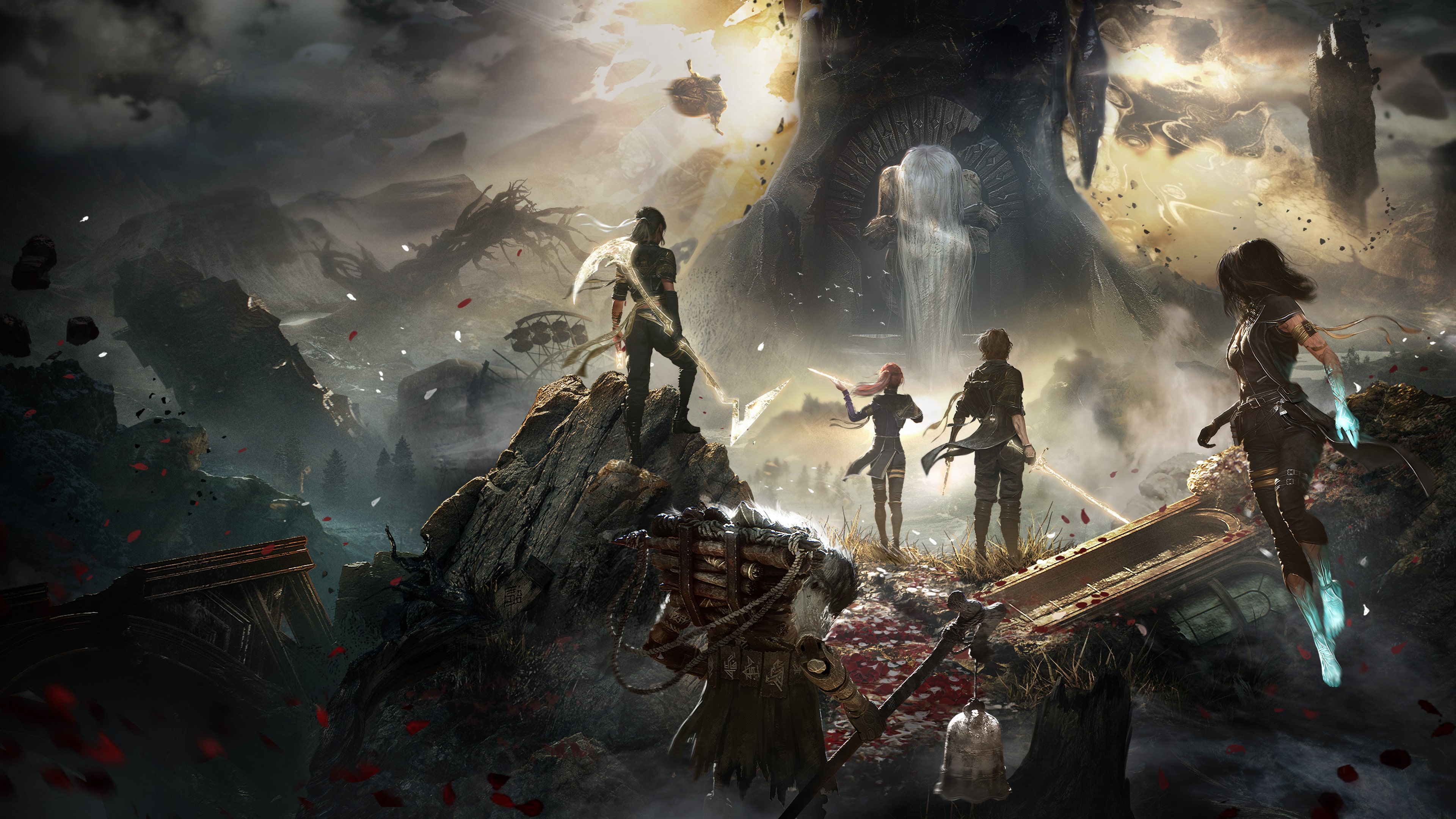
Clair Obscur: Expedition 33
Sandfall Interactive's debut is a turn-based RPG about an expedition sent to kill the Paintress, the being who erases everyone of a given age once a year. On this comparison it is the focused half: one painted continent, a thirty-hour story that ends properly, and combat where every enemy attack can be parried in real time.
Key Features
- Turn-based combat with real-time dodges and parries on every enemy attack
- A complete story in one game, no sequel required to see the ending
- Distinct painted regions instead of one repeating open world
- Game of the Year at The Game Awards 2025 for a debut studio
- Around 30 hours for the story, far more with optional bosses and areas
Gameplay Video
Clair Obscur: Expedition 33 - Before You Buy
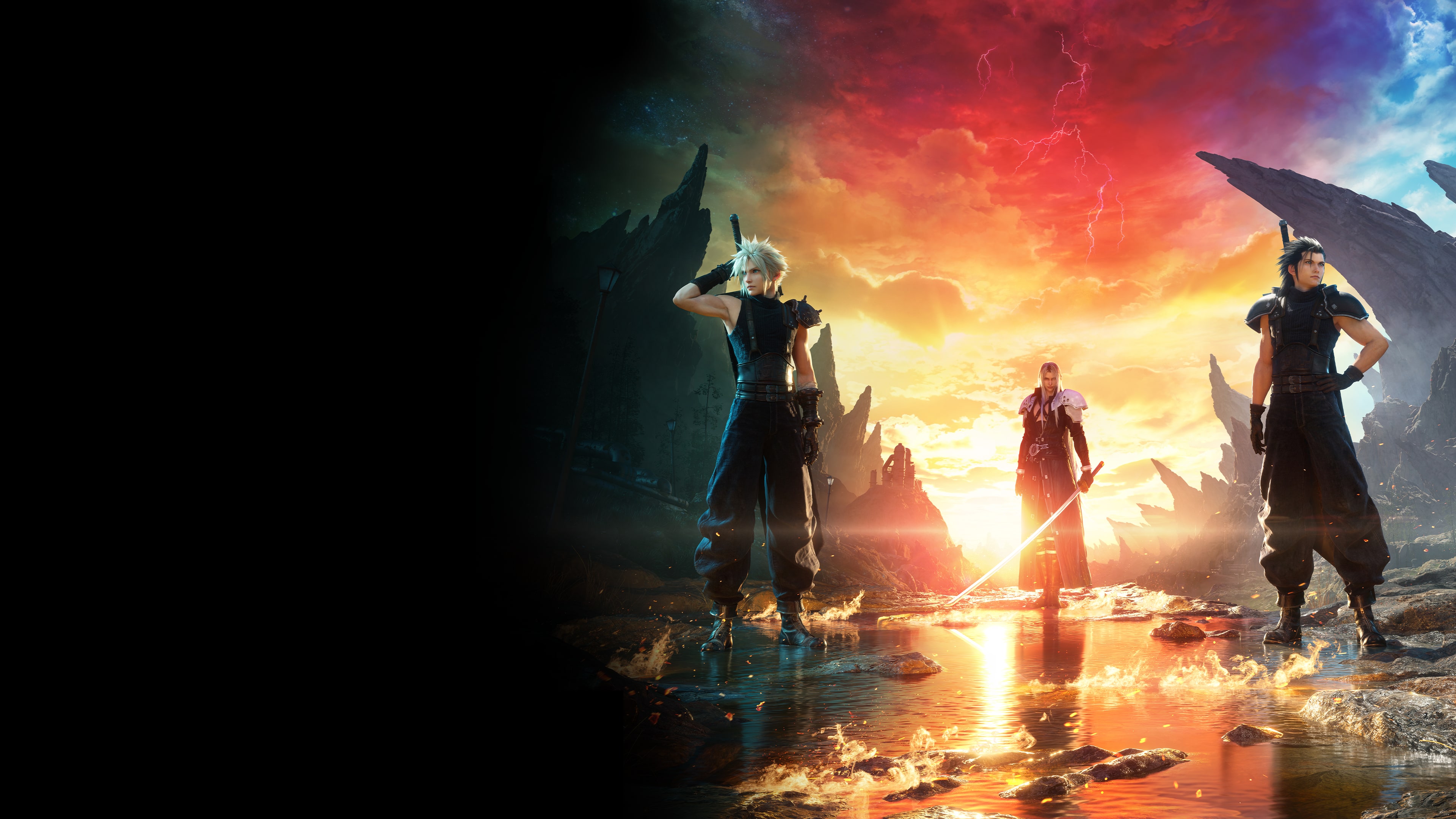
FINAL FANTASY VII REBIRTH
The middle chapter of Square Enix's FF7 remake trilogy follows Cloud's party out of Midgar and across open regions toward a famous ending. On this comparison it is the bigger half: real-time hybrid combat, a denser world full of side activities, and the strongest cast chemistry in the trilogy, with final resolution deferred to part three.
Key Features
- Real-time combat with command pauses; each party member plays differently
- Large open regions with towers, trials, protorelics and Queen’s Blood
- The trilogy’s best character writing between Cloud, Aerith and Tifa
- Around 40 hours for the main story, 60 or more played thoroughly
- A deliberately ambiguous ending that sets up the final chapter
Gameplay Video
Final Fantasy VII Rebirth - State of Play | PS5 Games
Frequently Asked Questions
- Is Clair Obscur: Expedition 33 better than FF7 Rebirth?
- They tie on Metacritic at 92, but Game-Scout players rate Clair Obscur higher, 4.84 to 4.67, and it won Game of the Year at The Game Awards 2025. Clair Obscur tells a complete story in one game; Rebirth is a bigger production whose story continues into a third chapter. Which is better depends on whether you value a finished ending or a larger world.
- Is Clair Obscur: Expedition 33 turn-based?
- Yes, with a twist. Combat plays out in turns, but every enemy attack can be dodged or parried in real time, and well-timed parries lead to counters. It keeps the planning of a turn-based RPG while demanding action-game reflexes, which is a large part of why players who normally avoid turn-based combat still finish it.
- Do I need to play FF7 Remake before Rebirth?
- Yes. Rebirth picks up directly after Final Fantasy VII Remake and assumes you know its characters and events. Clair Obscur, by contrast, is a completely new story with no prior games, which makes it the easier of the two to start this week.
- Which is longer, Expedition 33 or FF7 Rebirth?
- FF7 Rebirth. Its main story runs around 40 hours and a thorough playthrough far beyond 60, while Clair Obscur's story lands near 30 hours with optional bosses and areas extending it. Rebirth is the bigger time investment; Clair Obscur is the tighter one.
- Does Clair Obscur: Expedition 33 have a complete ending?
- Yes. The story begins and ends within the one game, and the final act is the most discussed part of it. FF7 Rebirth ends on a deliberate cliffhanger as the middle chapter of a trilogy, with resolution held for the final game.
- Are Clair Obscur and FF7 Rebirth on PS4?
- No. Both are PS5 games with no PS4 version, so you need a current-generation console for either. Neither requires PlayStation Plus for their single-player stories.